
Patios and Paving
Where the garden is lived on
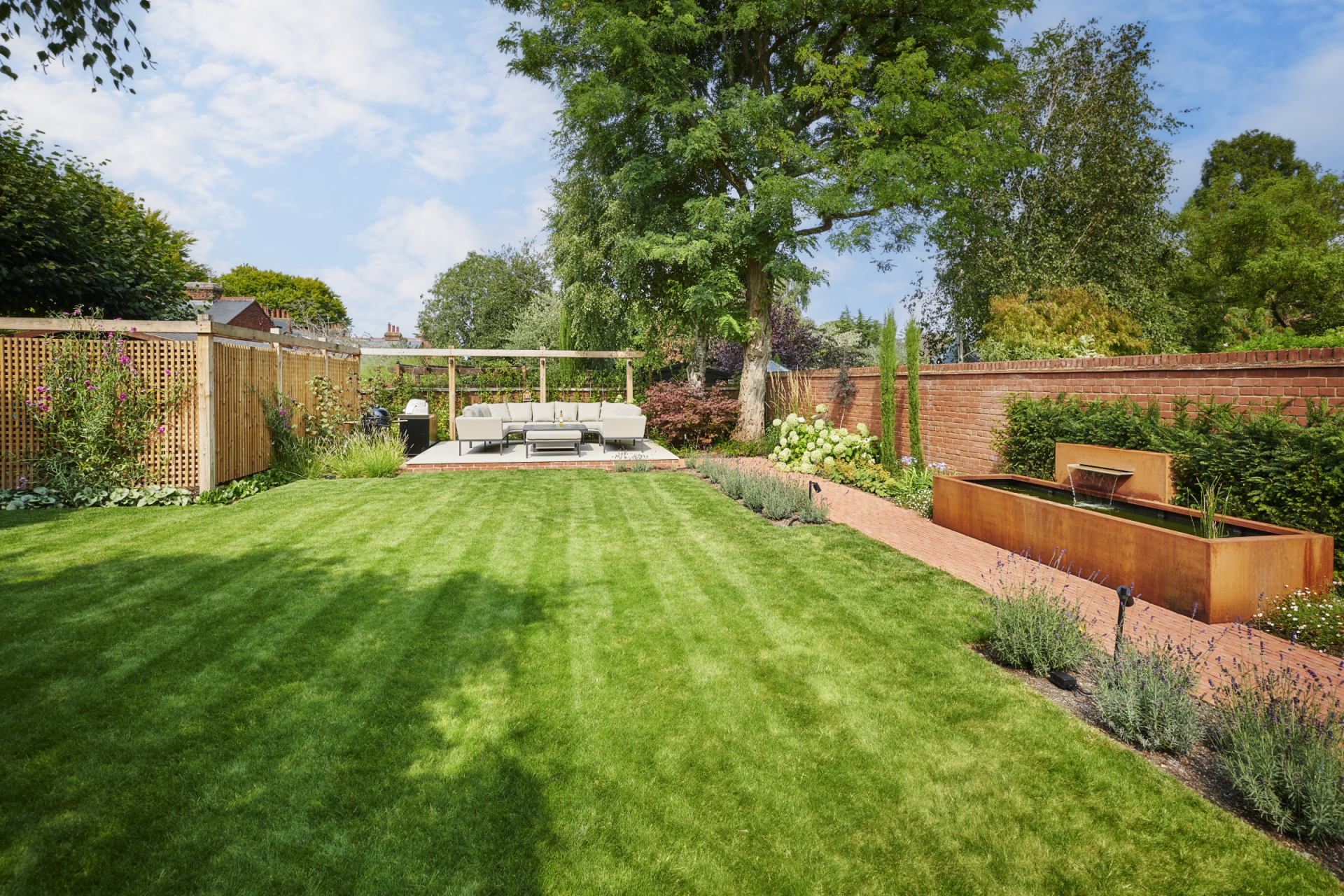
A patio is where the garden starts to feel usable. Paving is what makes the rest of it connect. Together, they shape the movement from the house, the places you pause and the routes you take every day.
HDL considers door thresholds, levels, falls, drainage, furniture, planting edges and access before the surface is laid. That preparation is what gives the finished space its clean, settled feel.
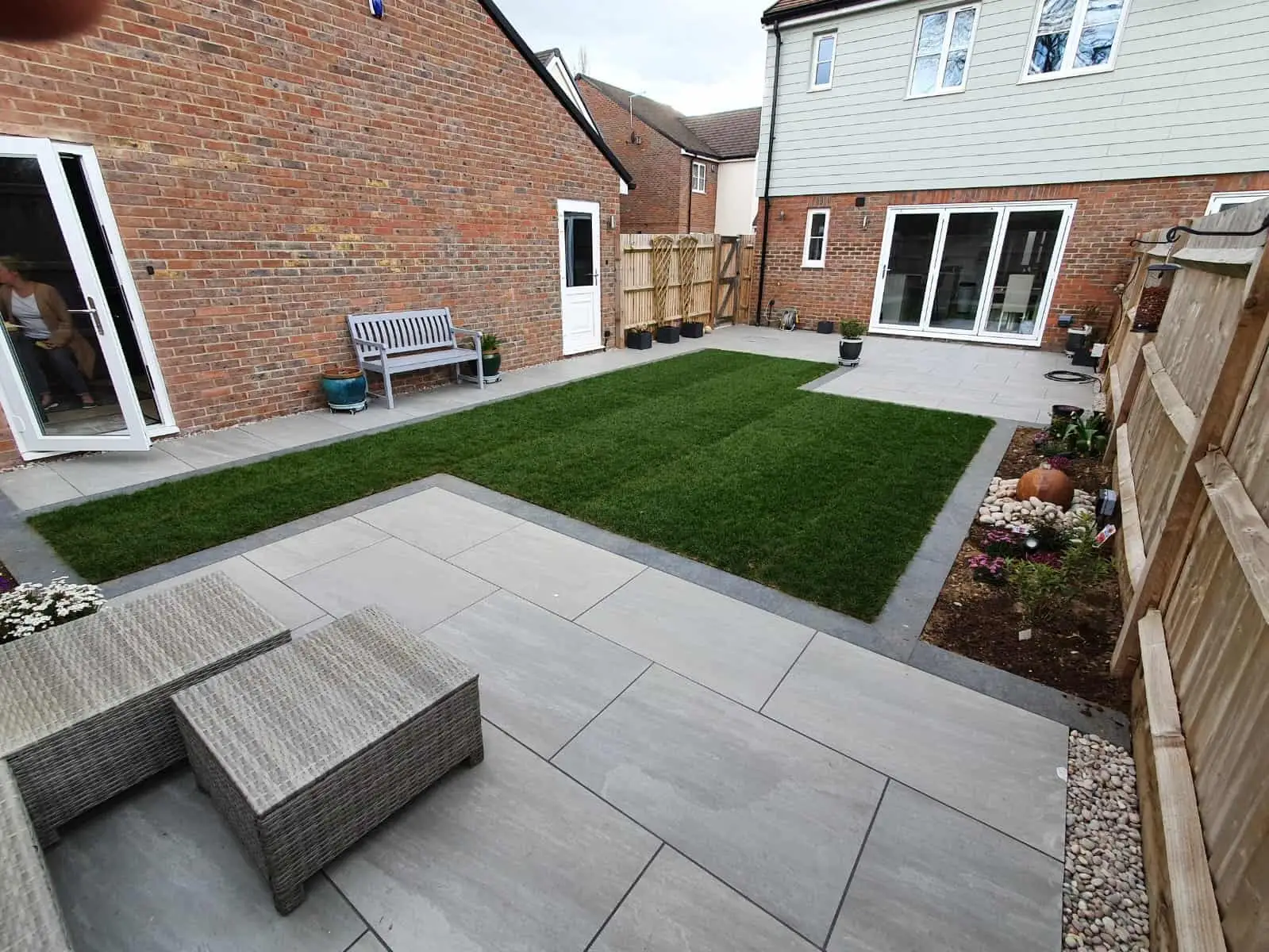
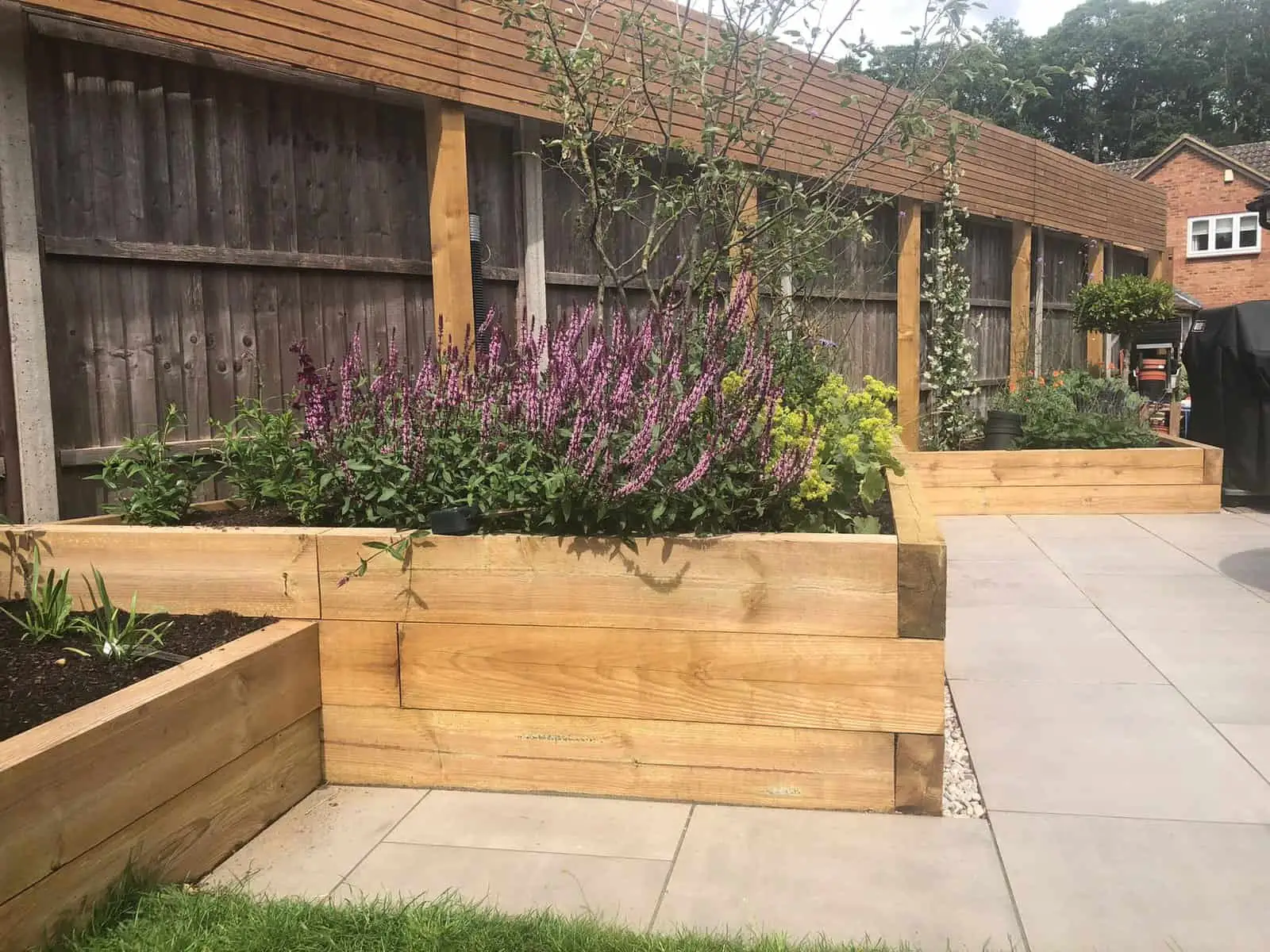
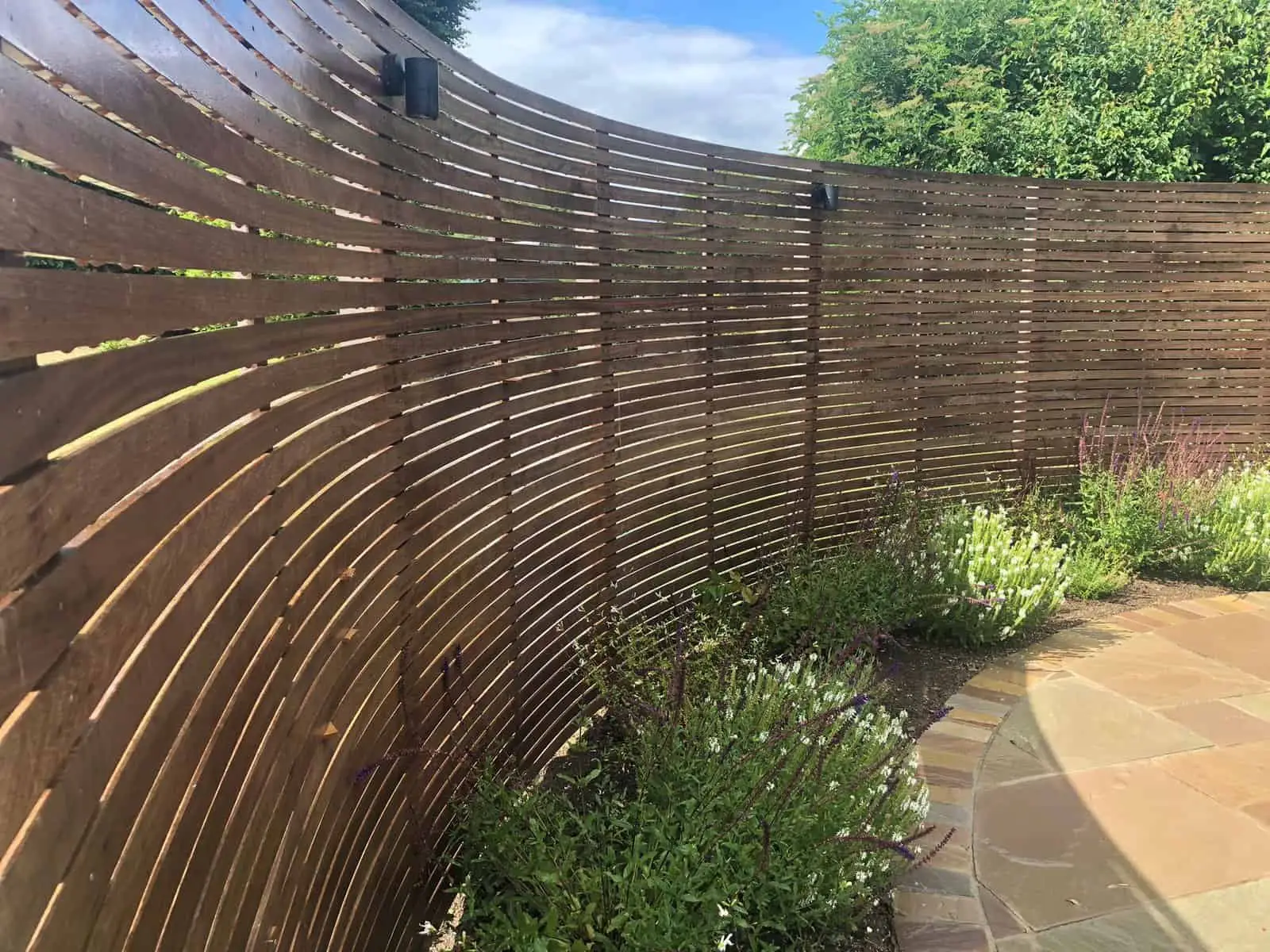
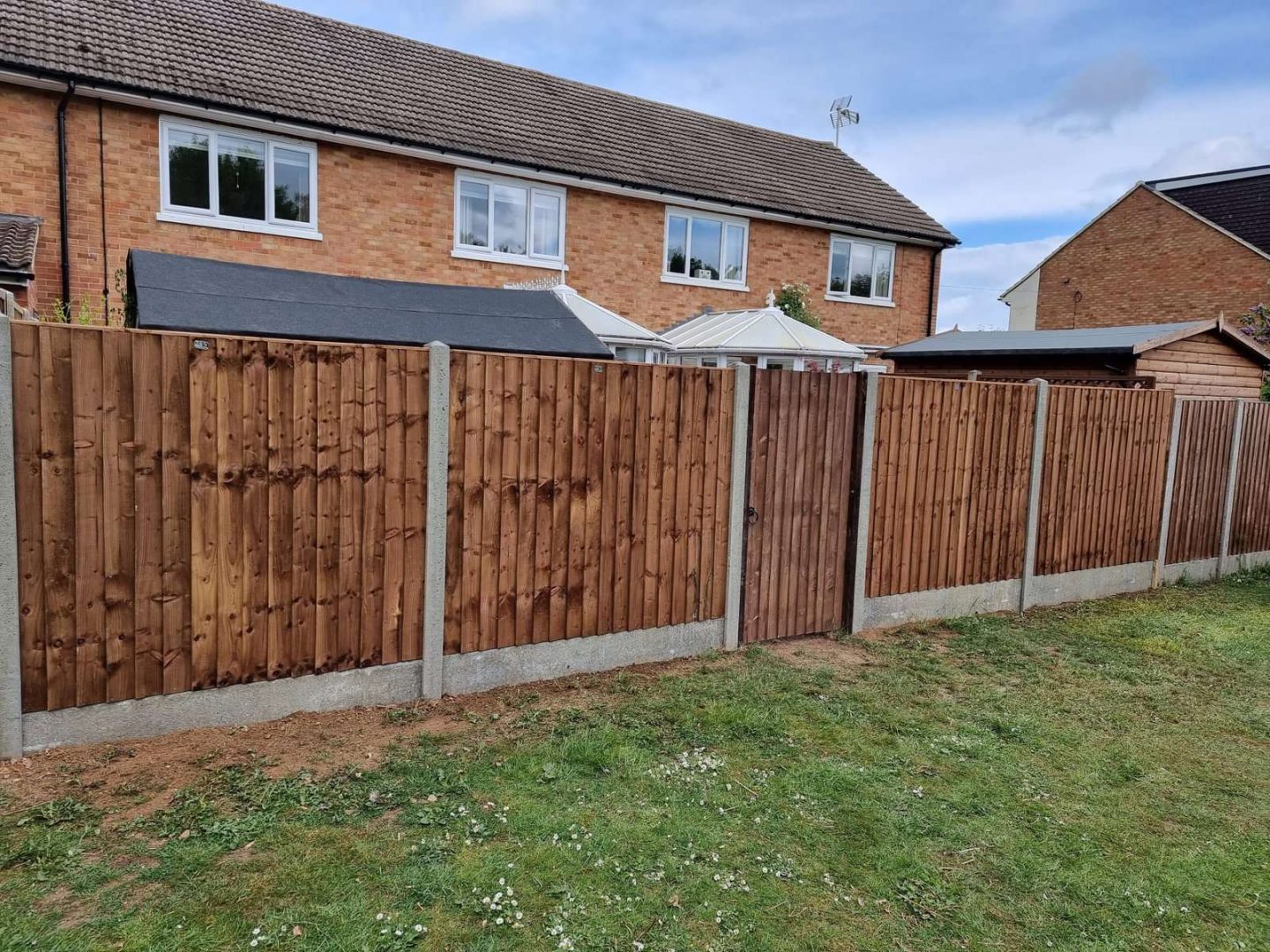
Patios and terraces
Defined outdoor areas for seating, dining and spending time close to the house.
Garden paving and paths
Practical routes that connect doors, lawns, patios, side gates and planted areas.
Steps and thresholds
Level changes handled with care, so movement between the house and garden feels natural.
Side returns and hardstanding
Clean, durable surfaces for narrow access routes, storage areas and everyday garden use.
Finishes that earn their place
Porcelain patios and paving
Natural stone paving
Sandstone patios
Block paving
The work beneath the surface
The surface is what people see. The setting-out is what makes it feel right.
Step 1
Place the surface
Step 2
Resolve the levels
Step 3
Specify the material
Step 4
Complete the finish
See The HDL Difference
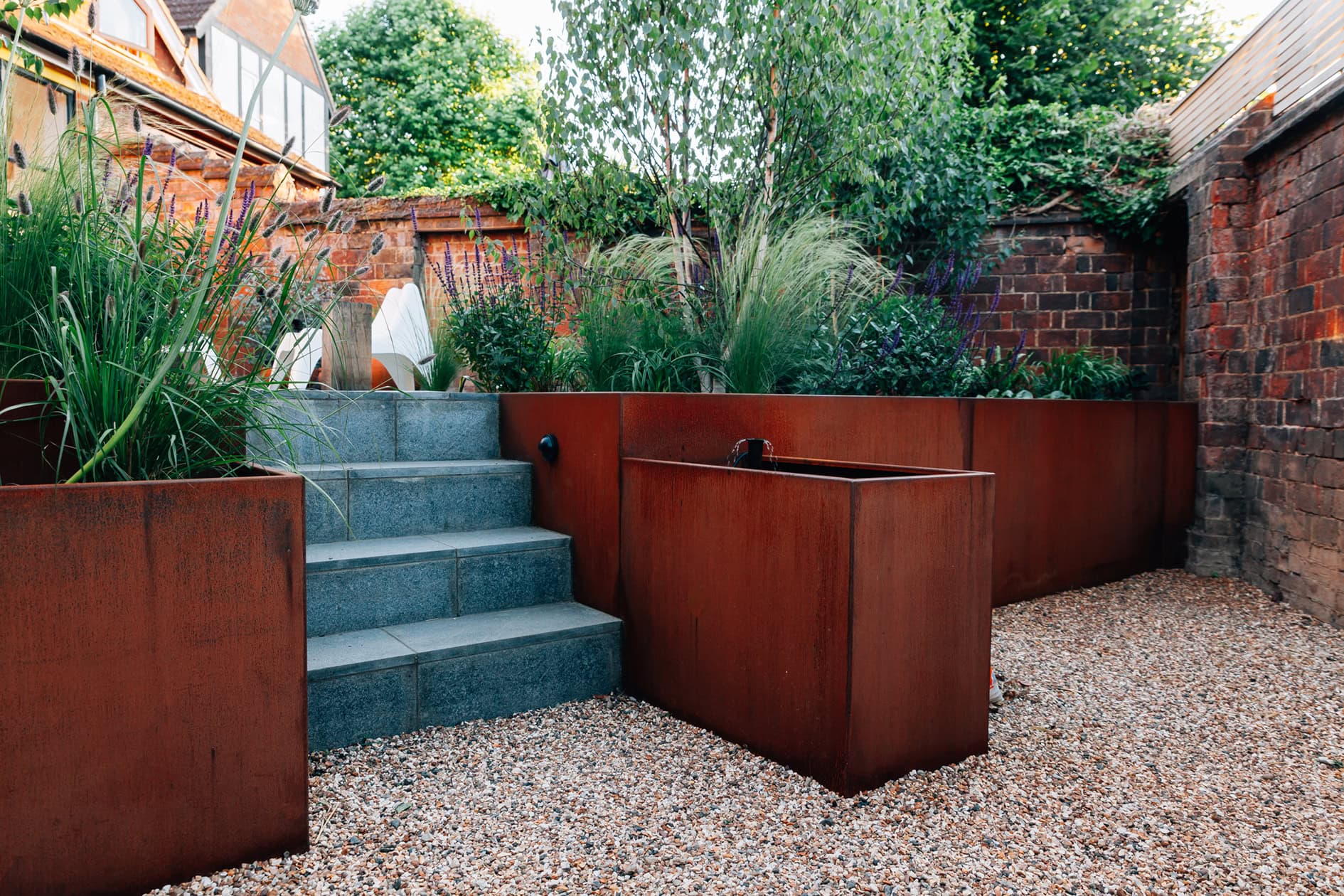
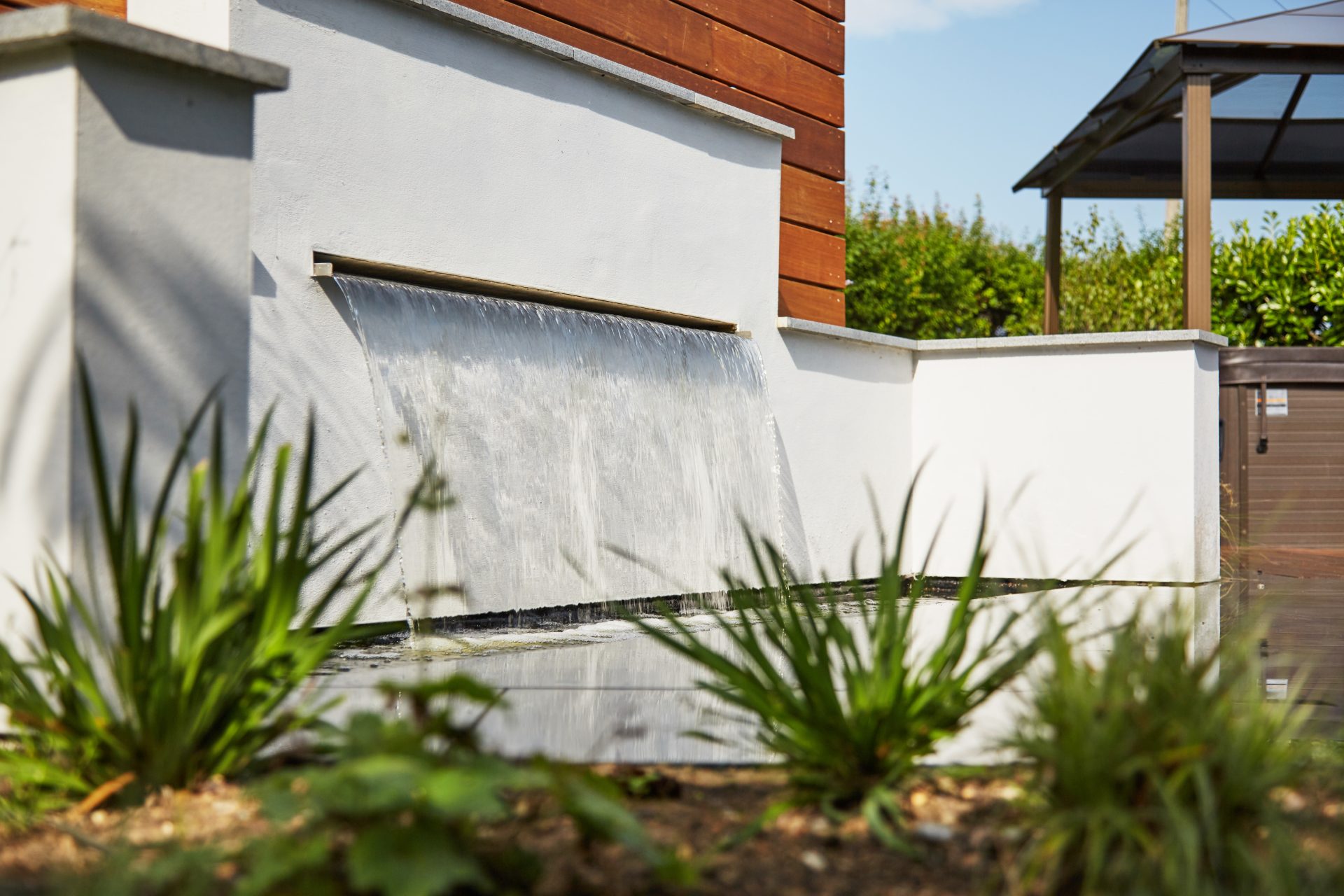
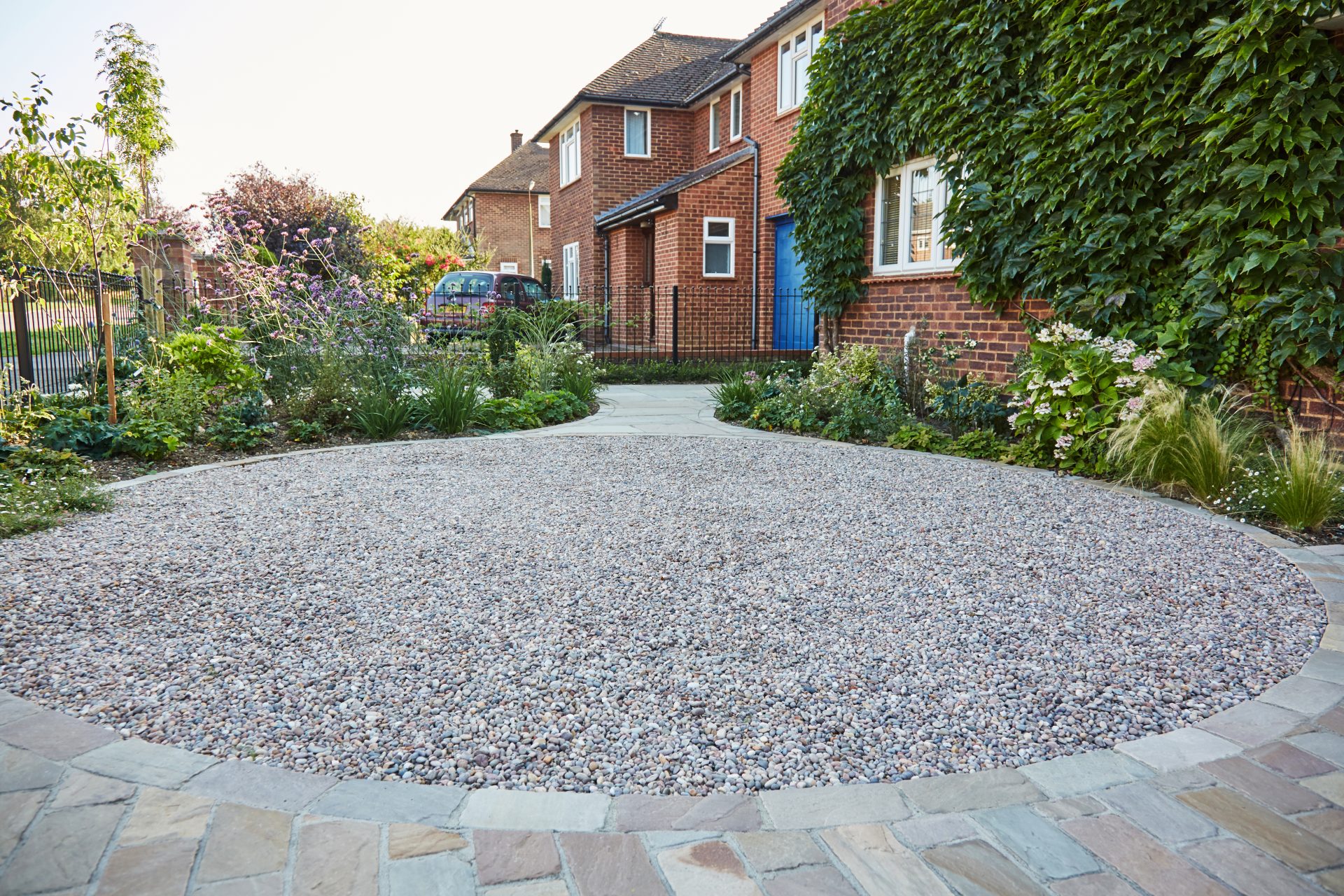
Recent patio and paving work
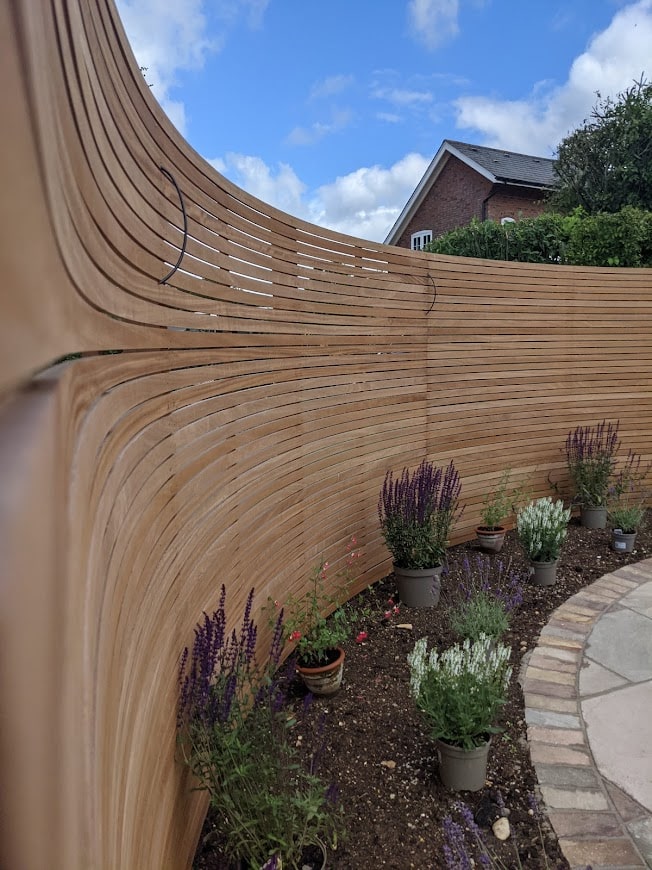
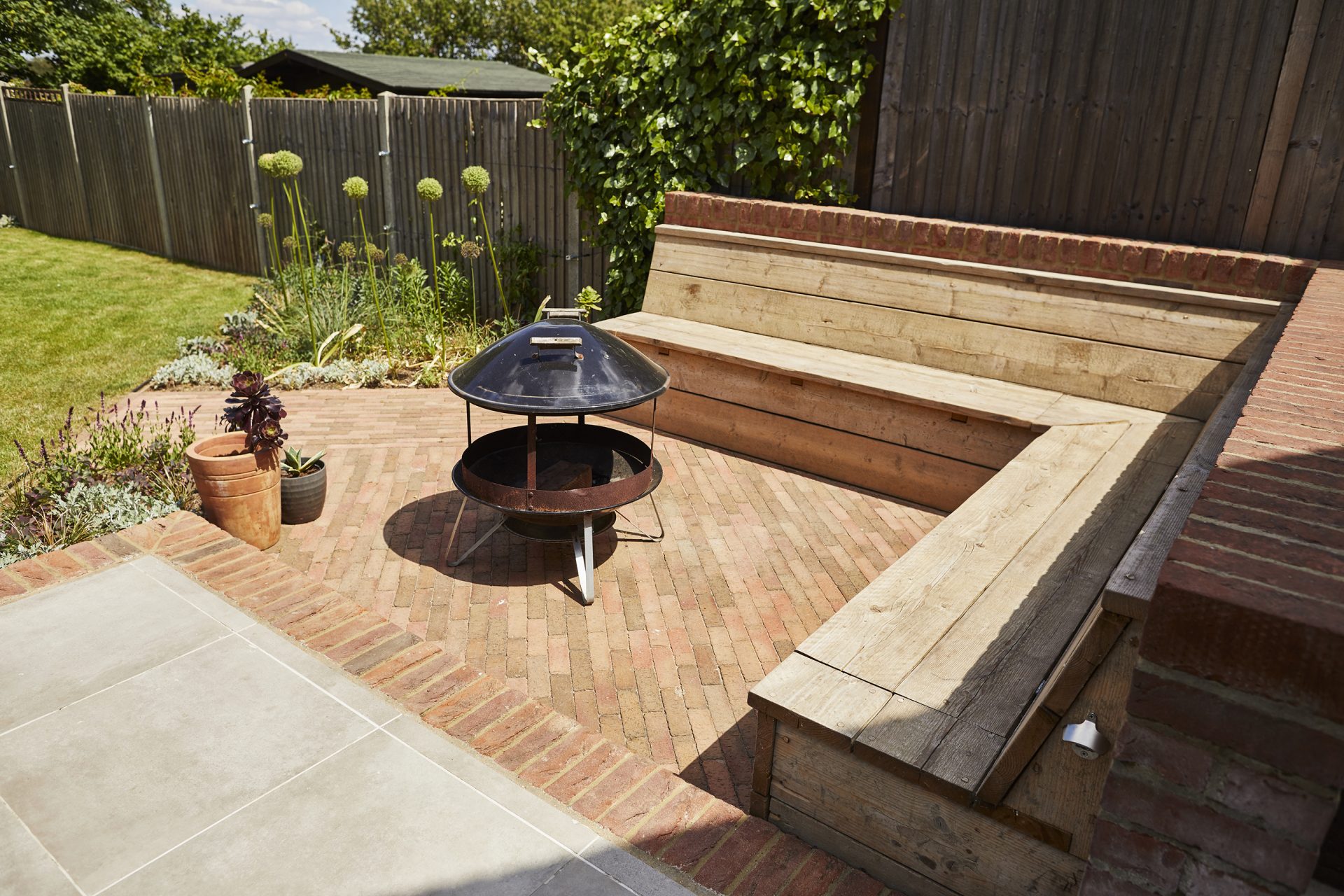
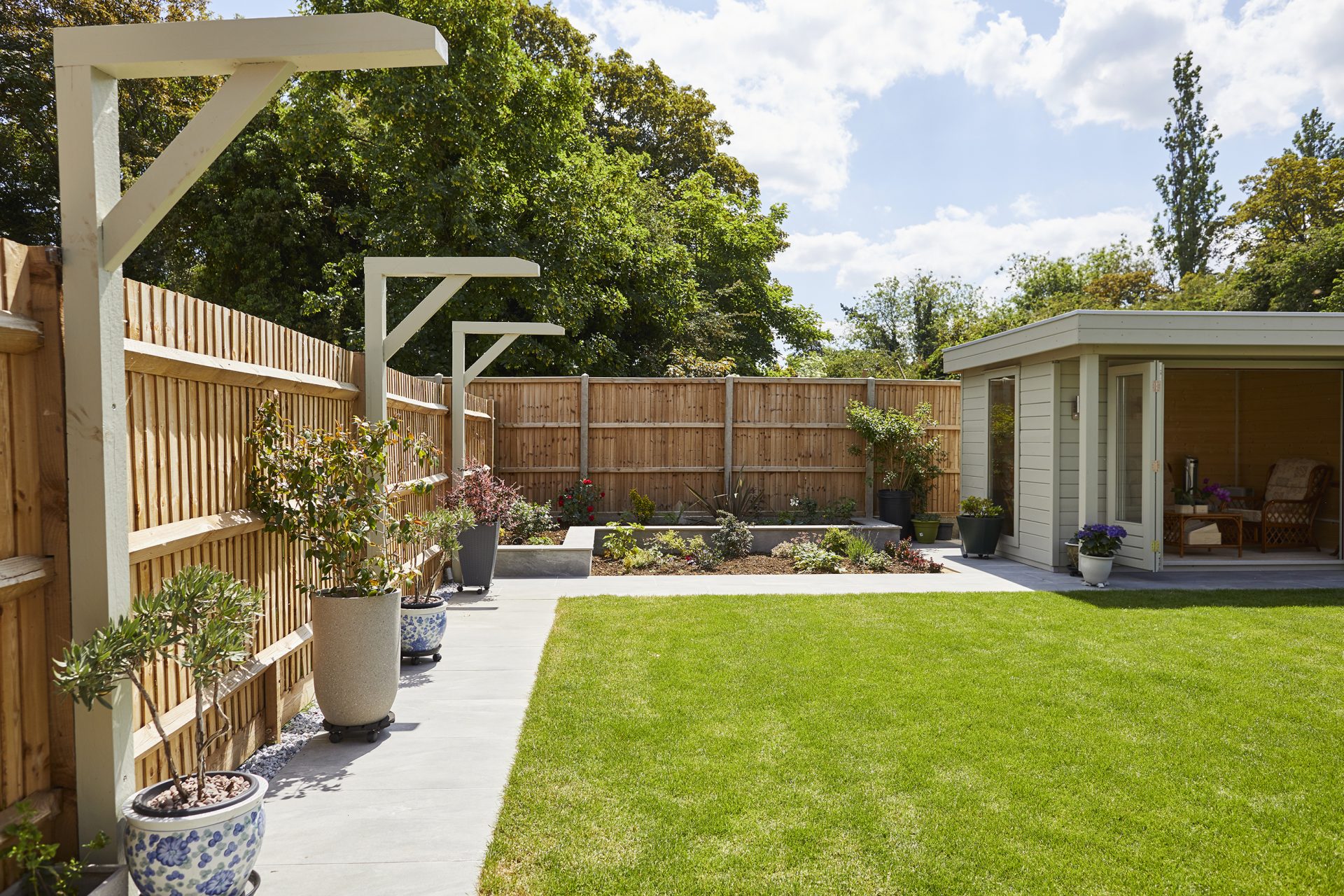
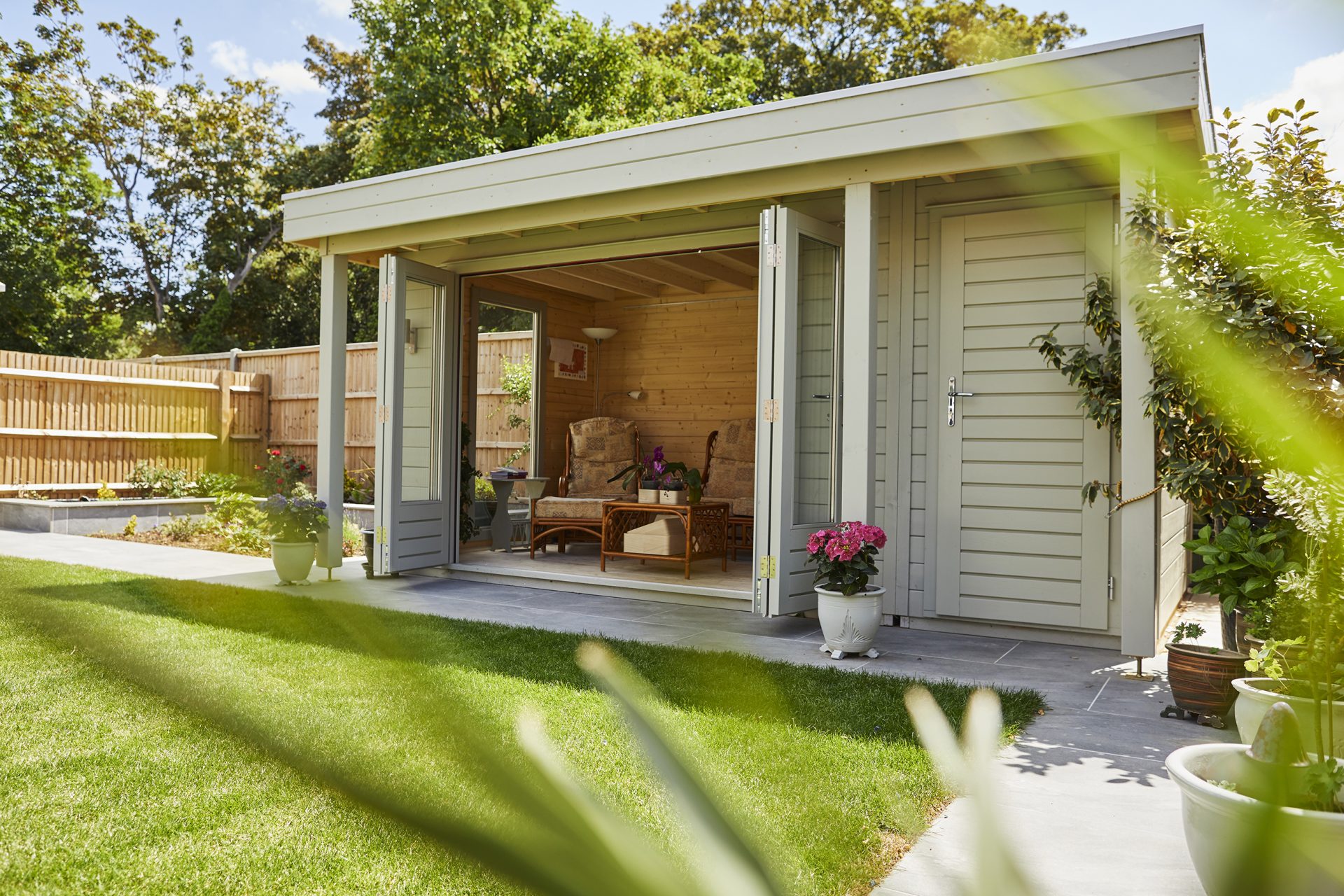
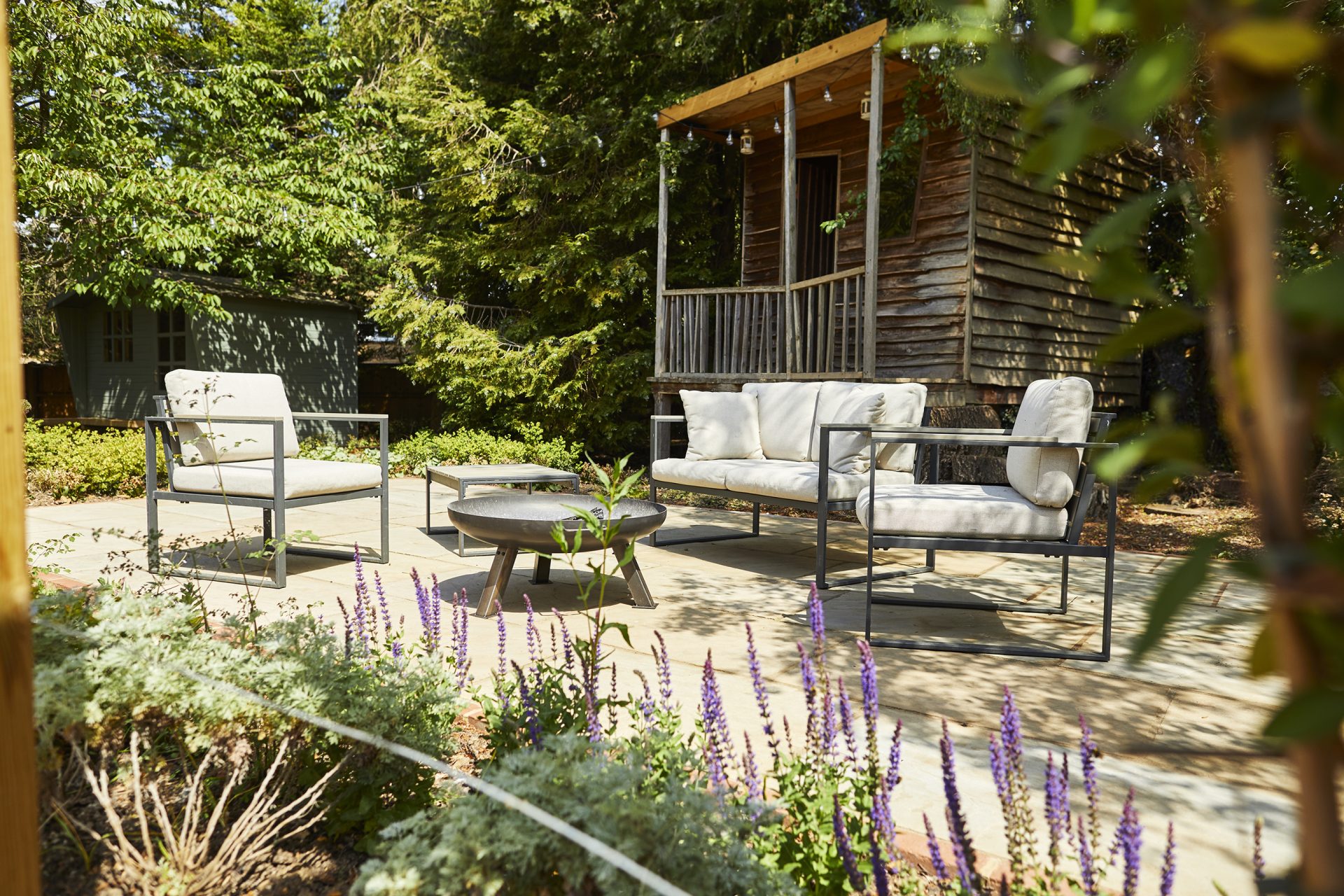
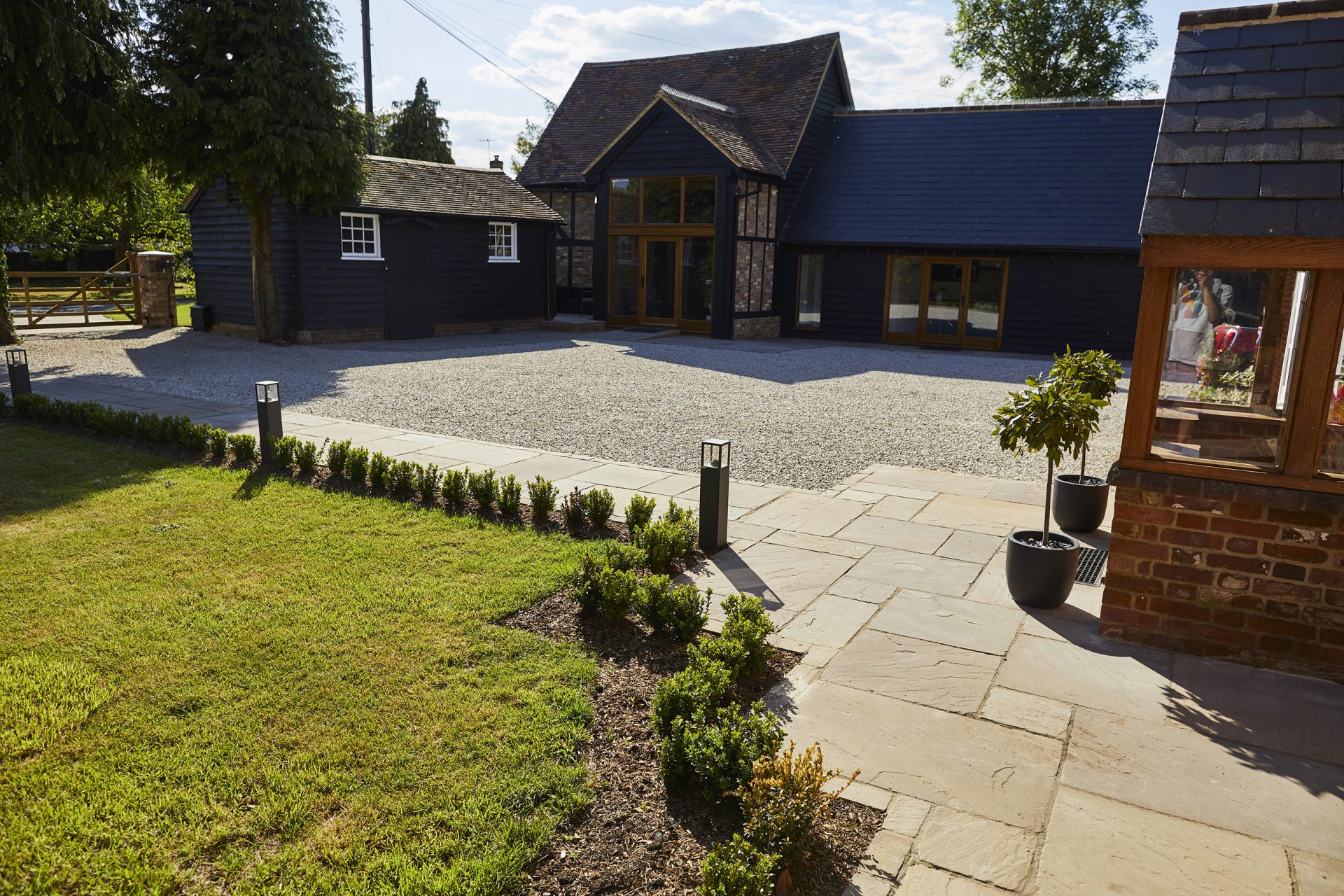
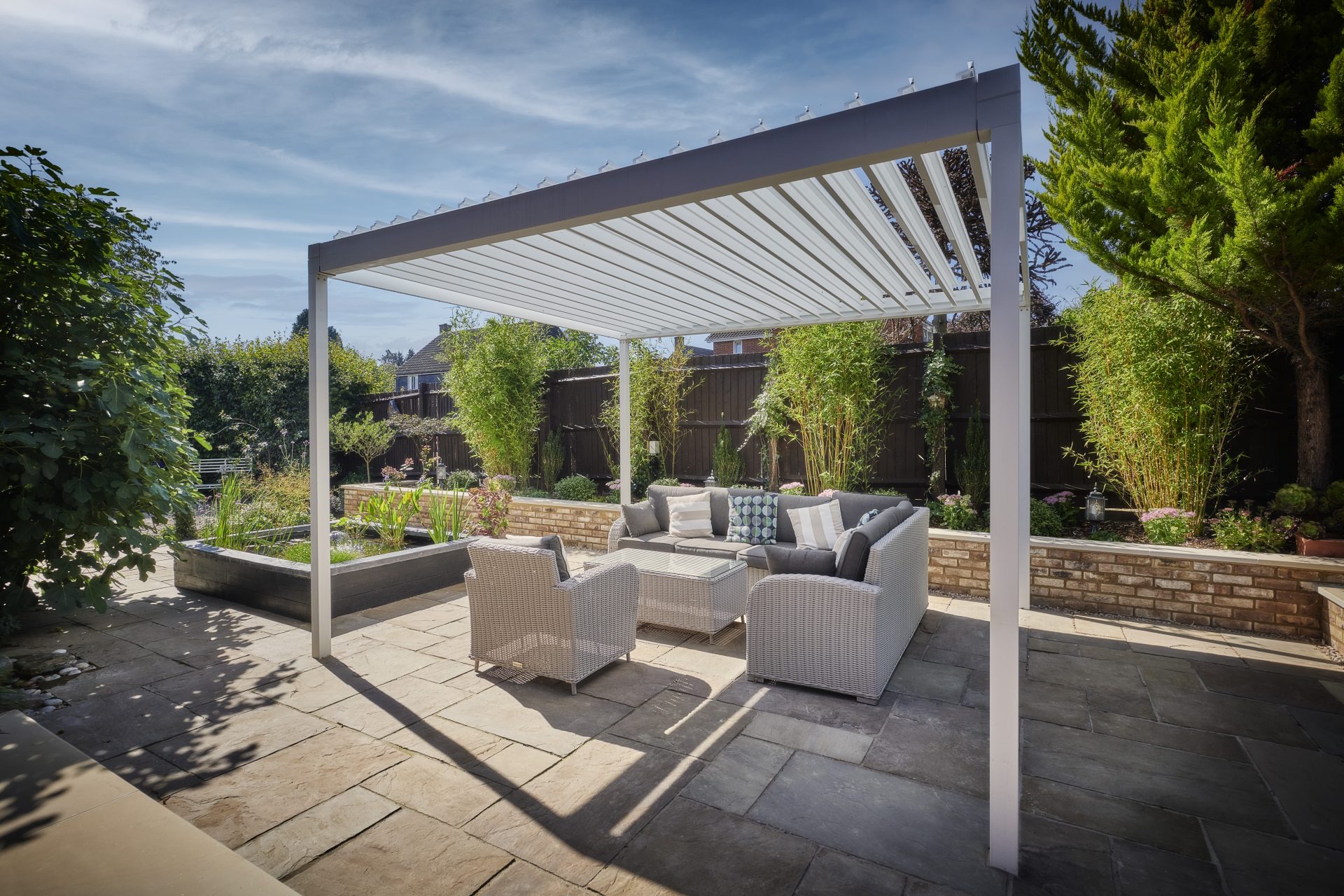
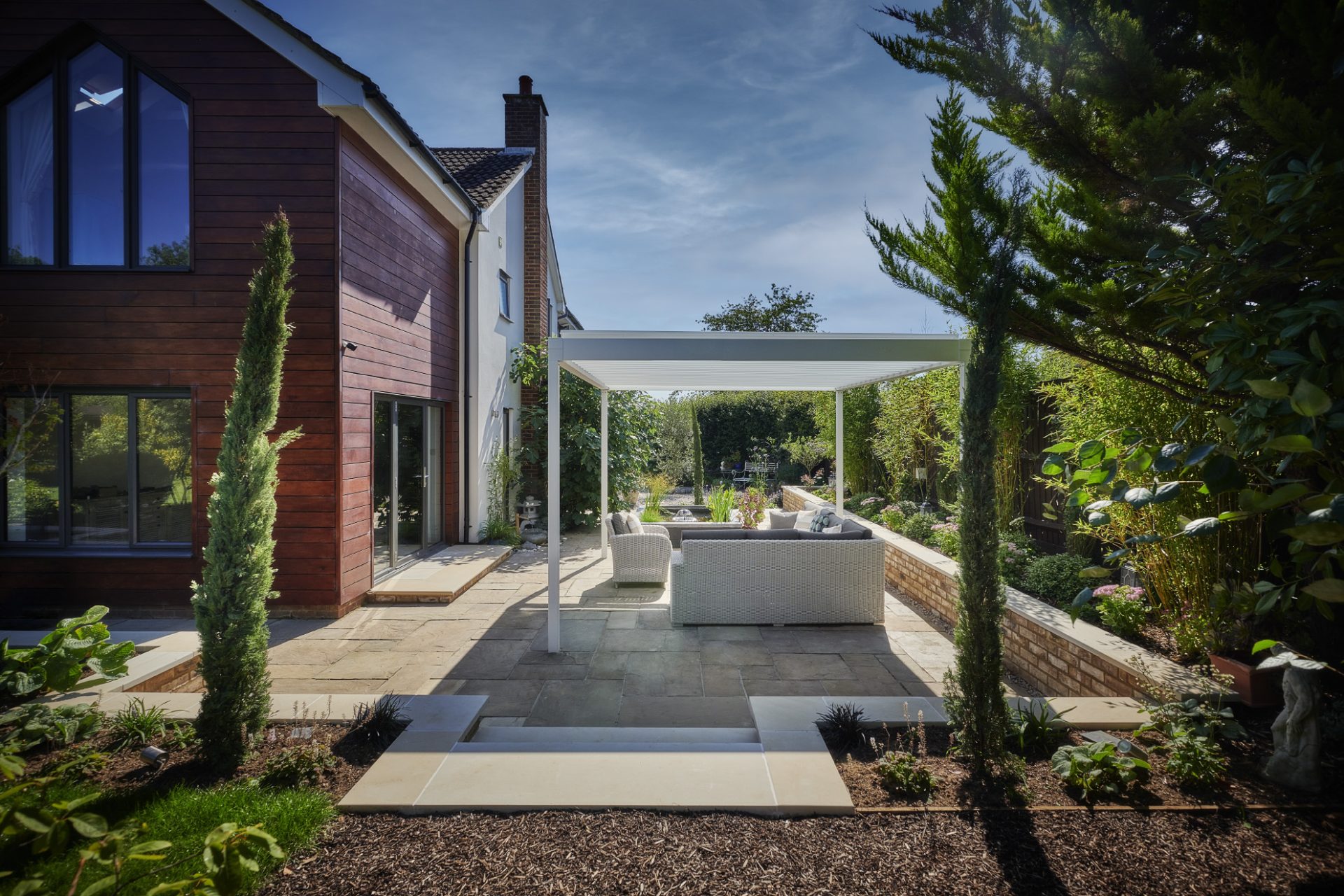
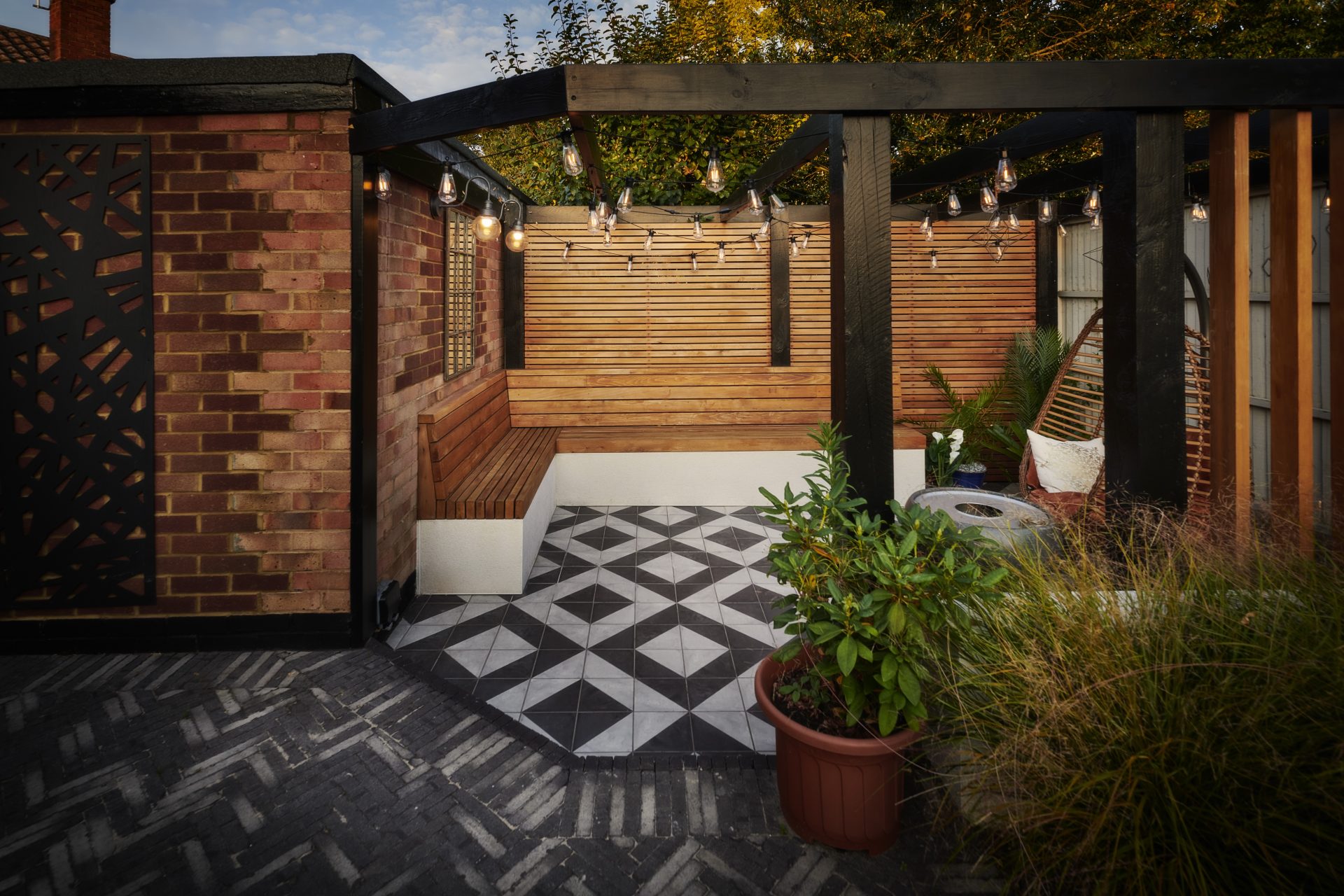
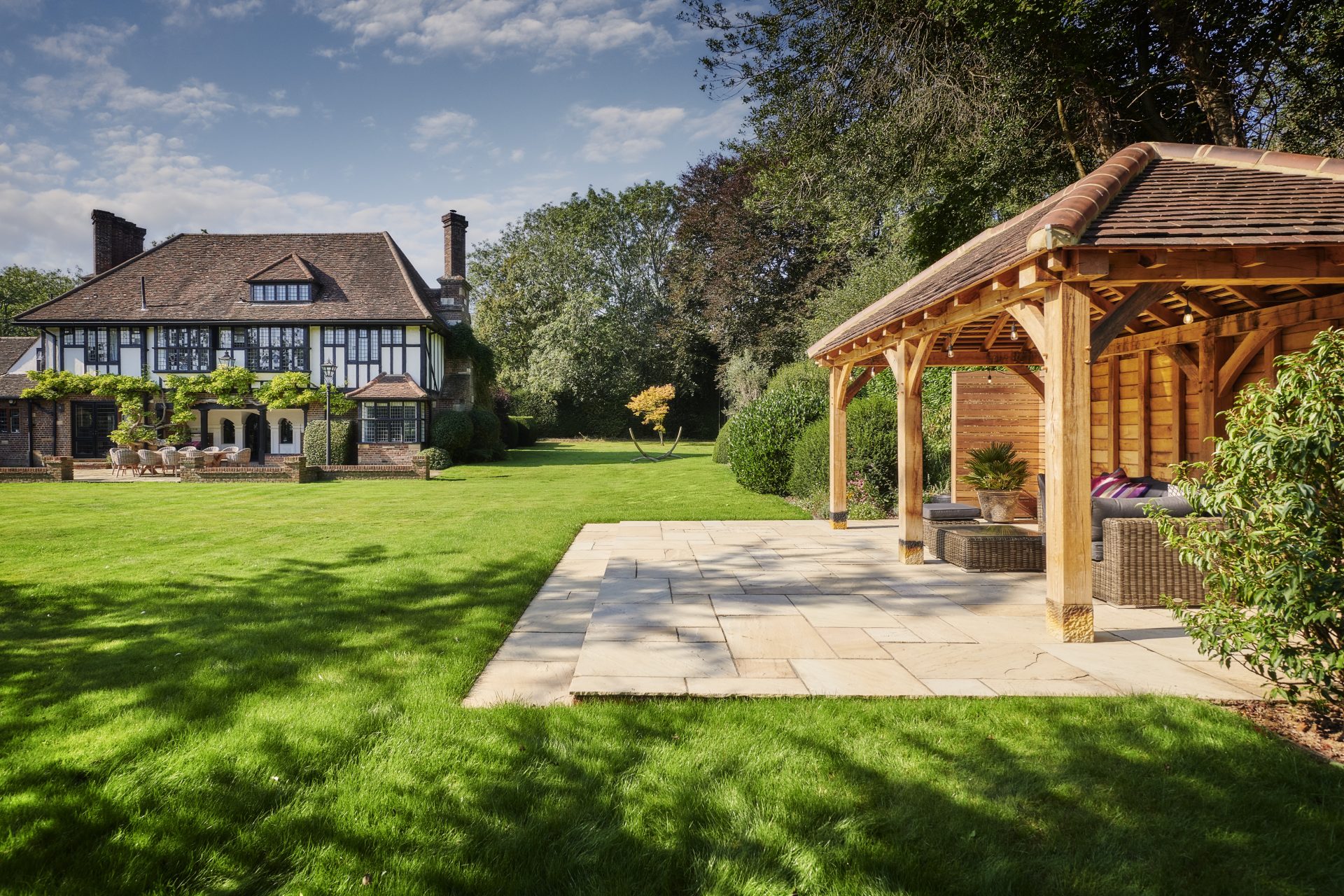
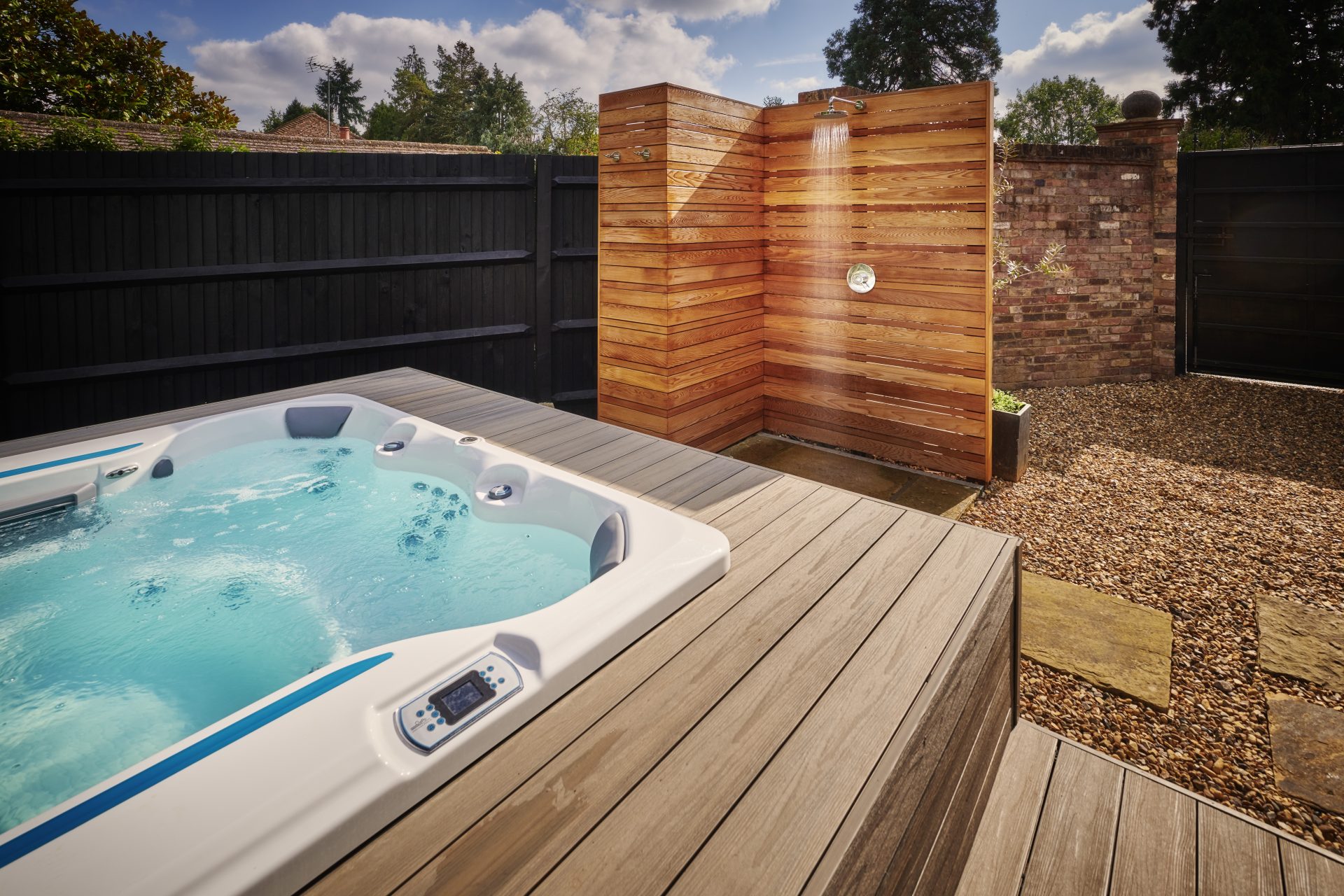
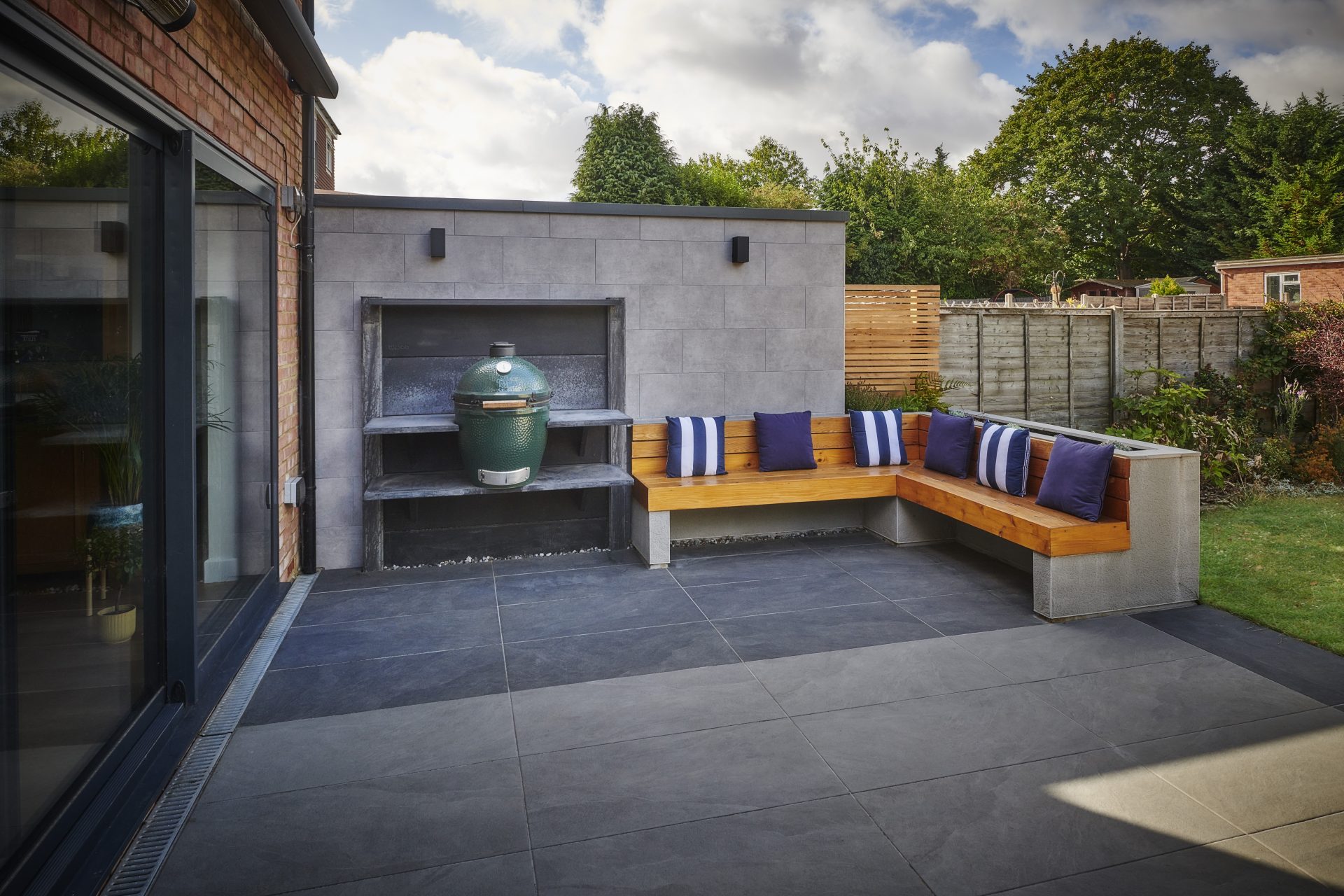
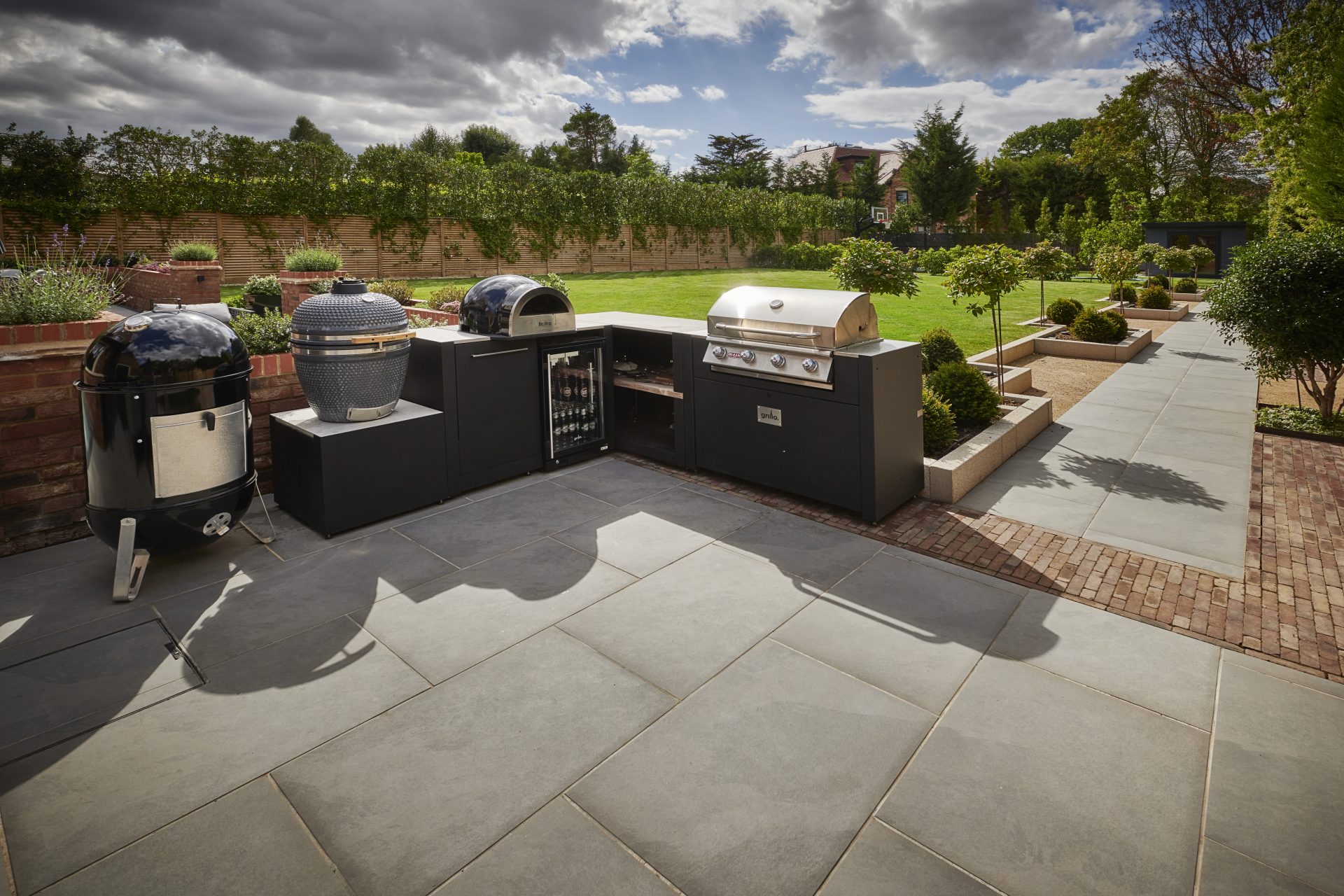
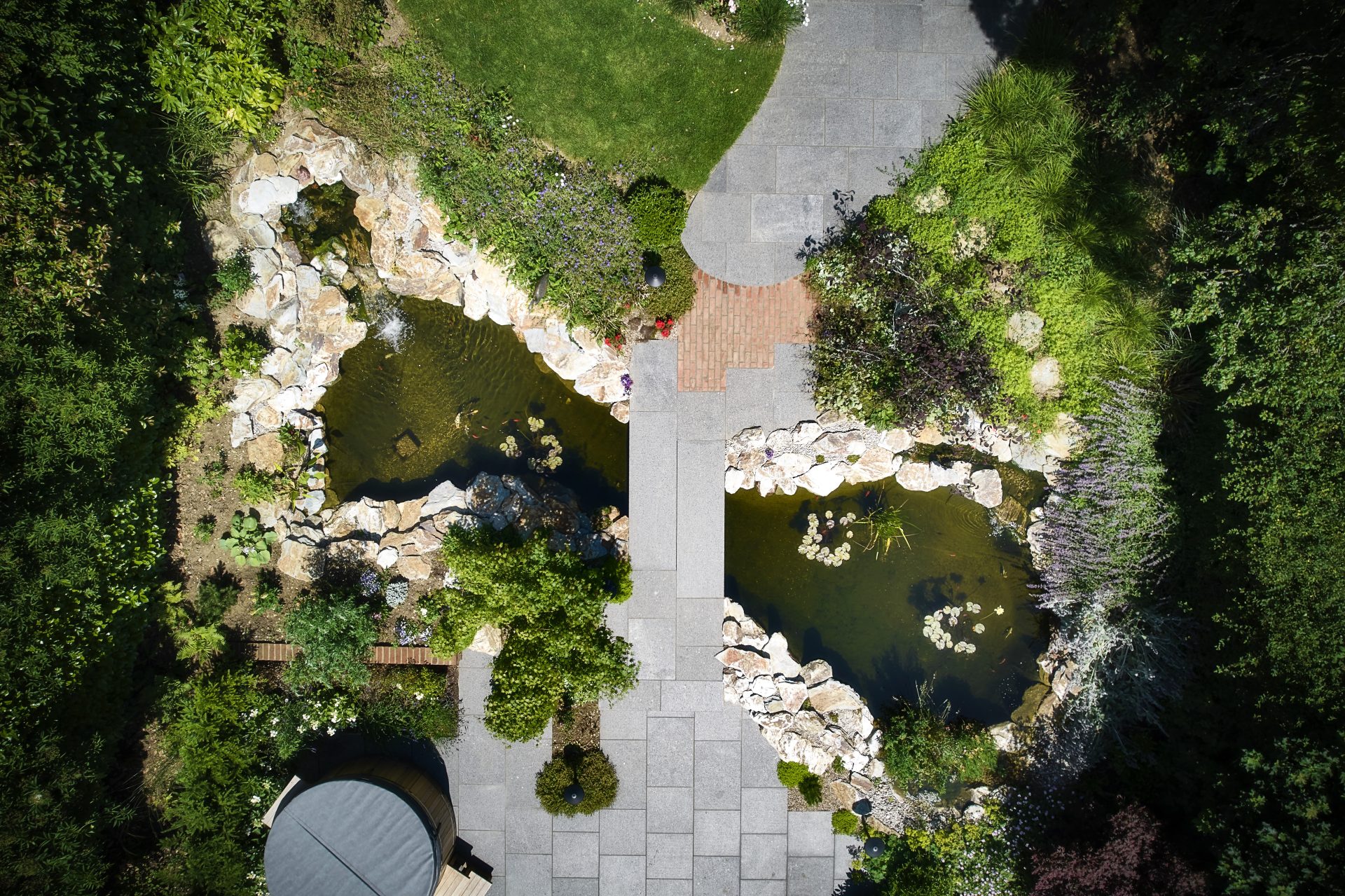
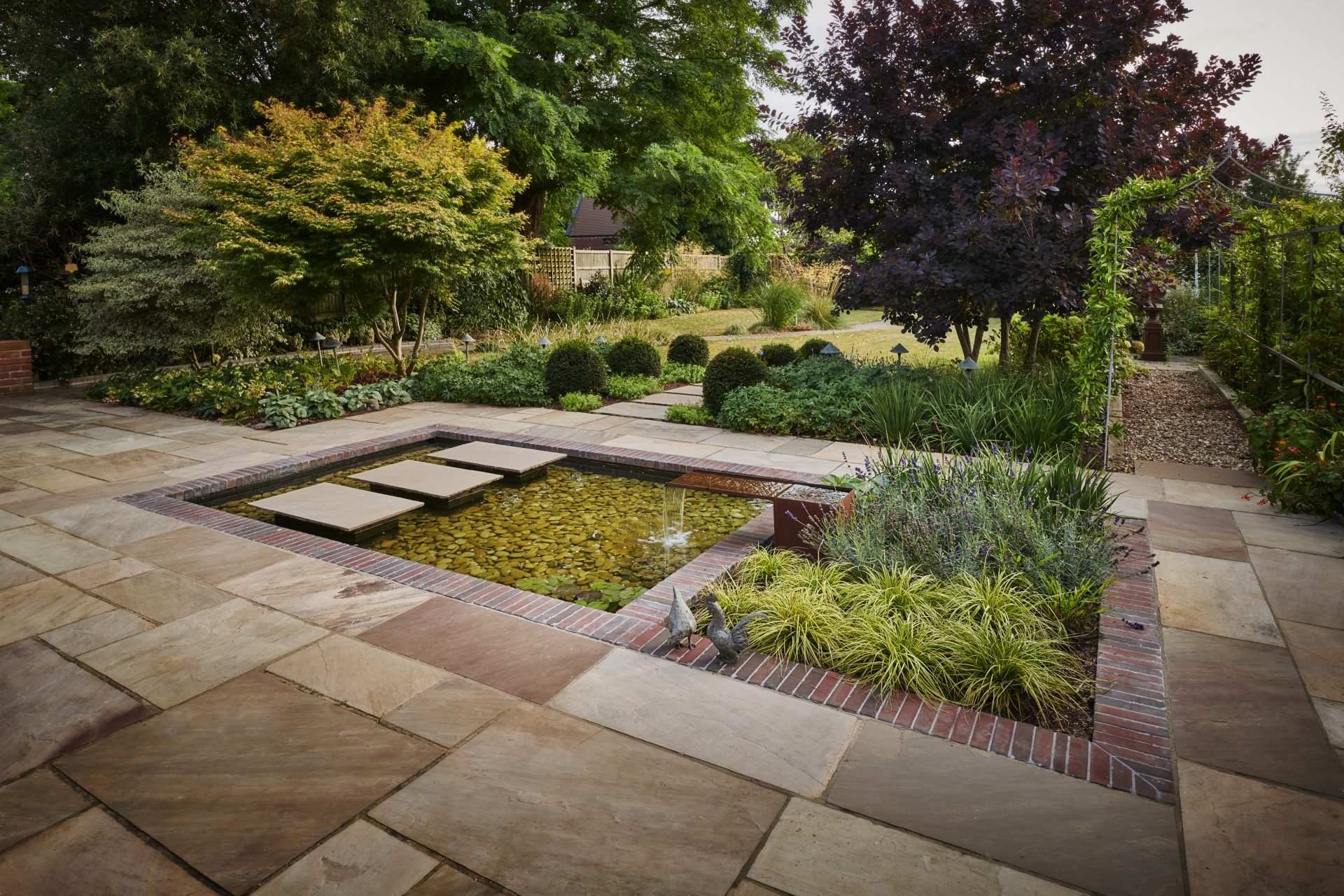
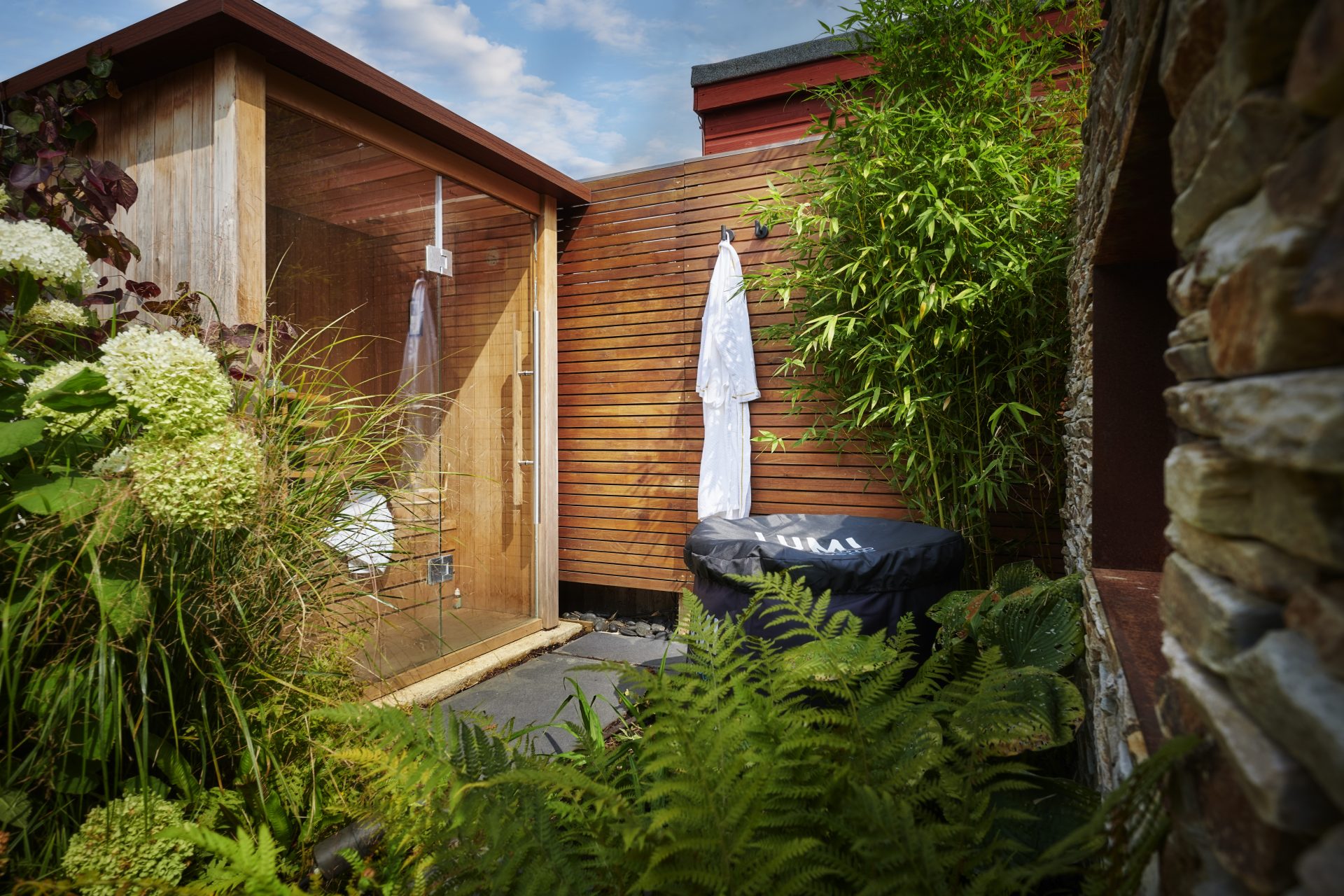
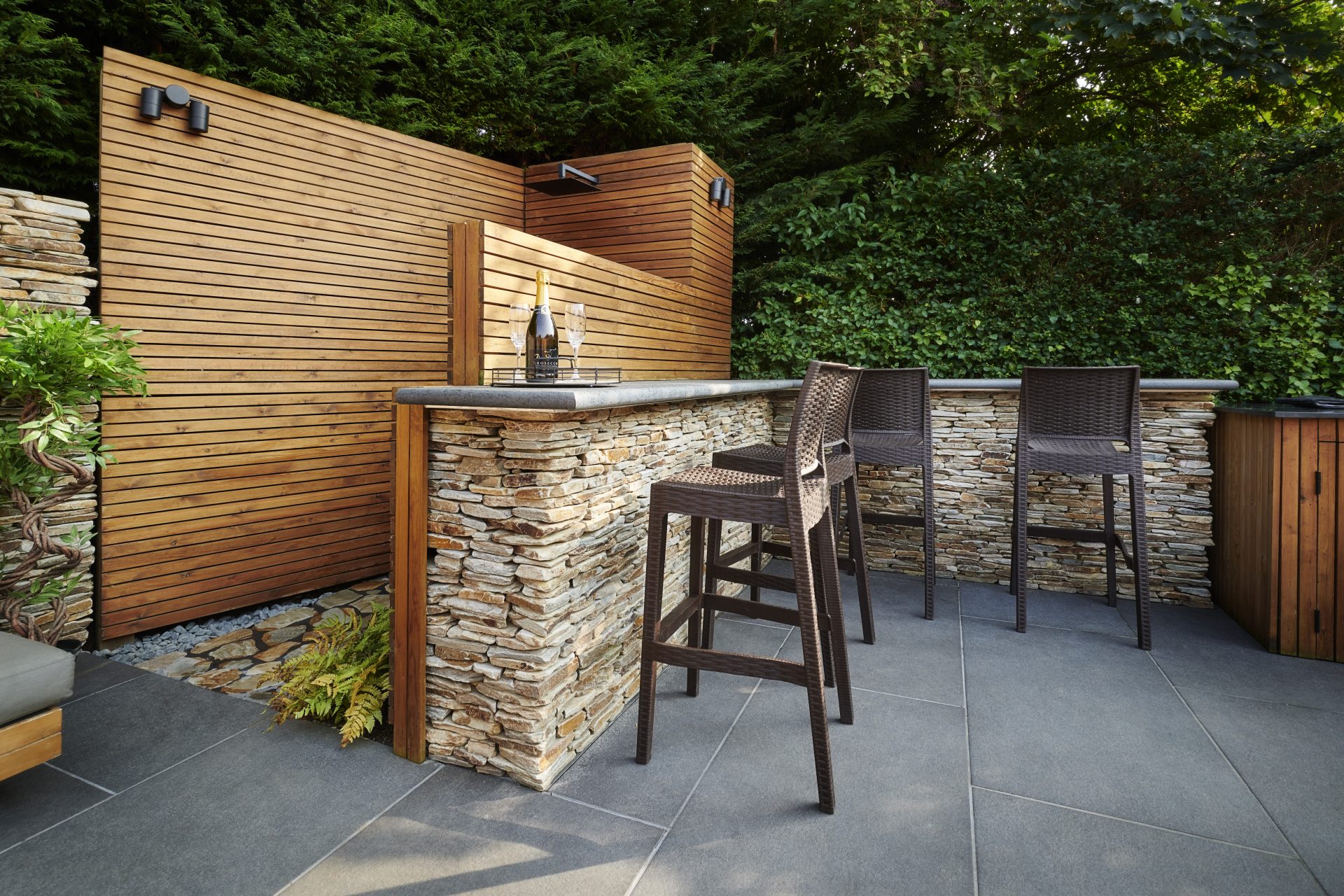
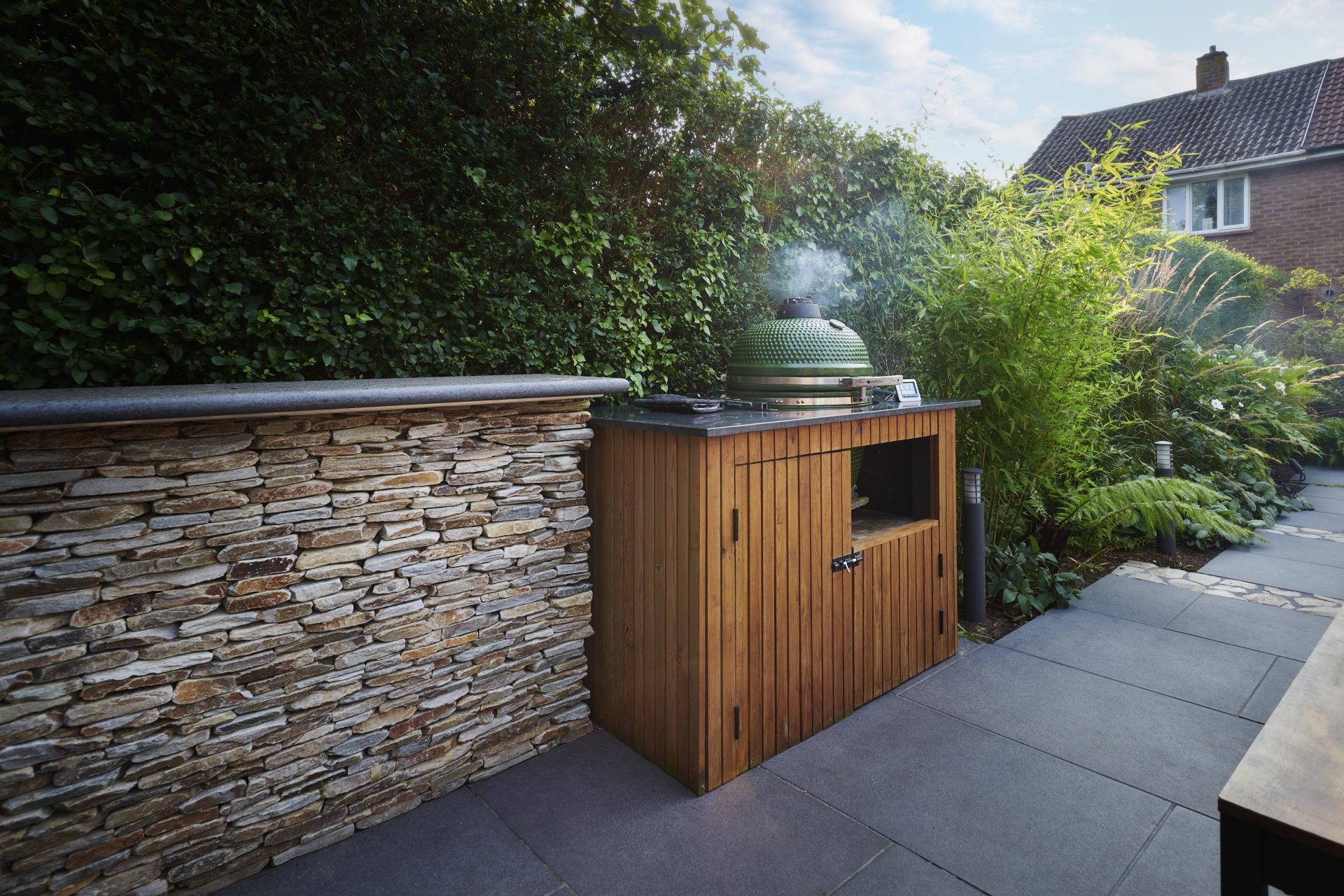
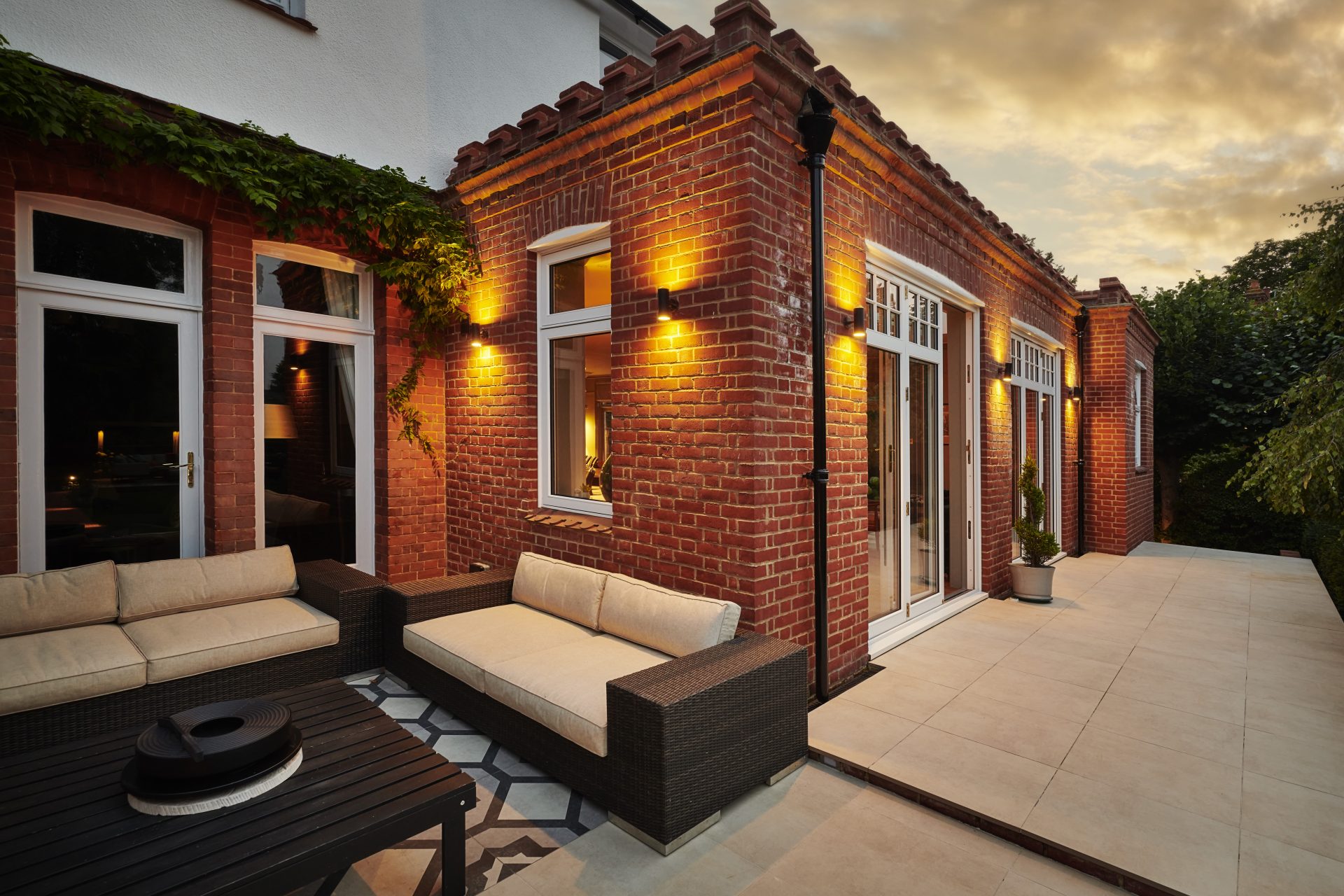
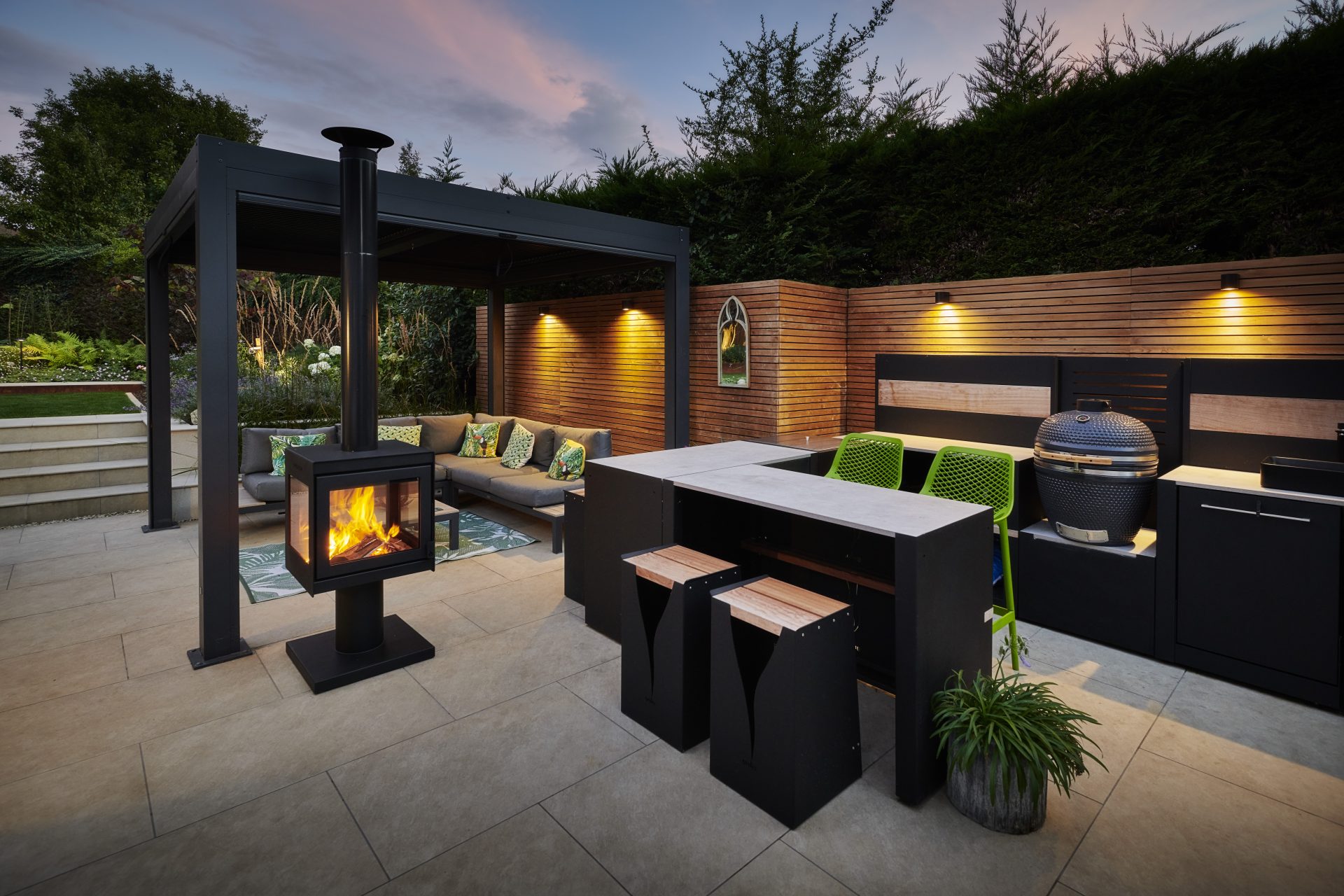
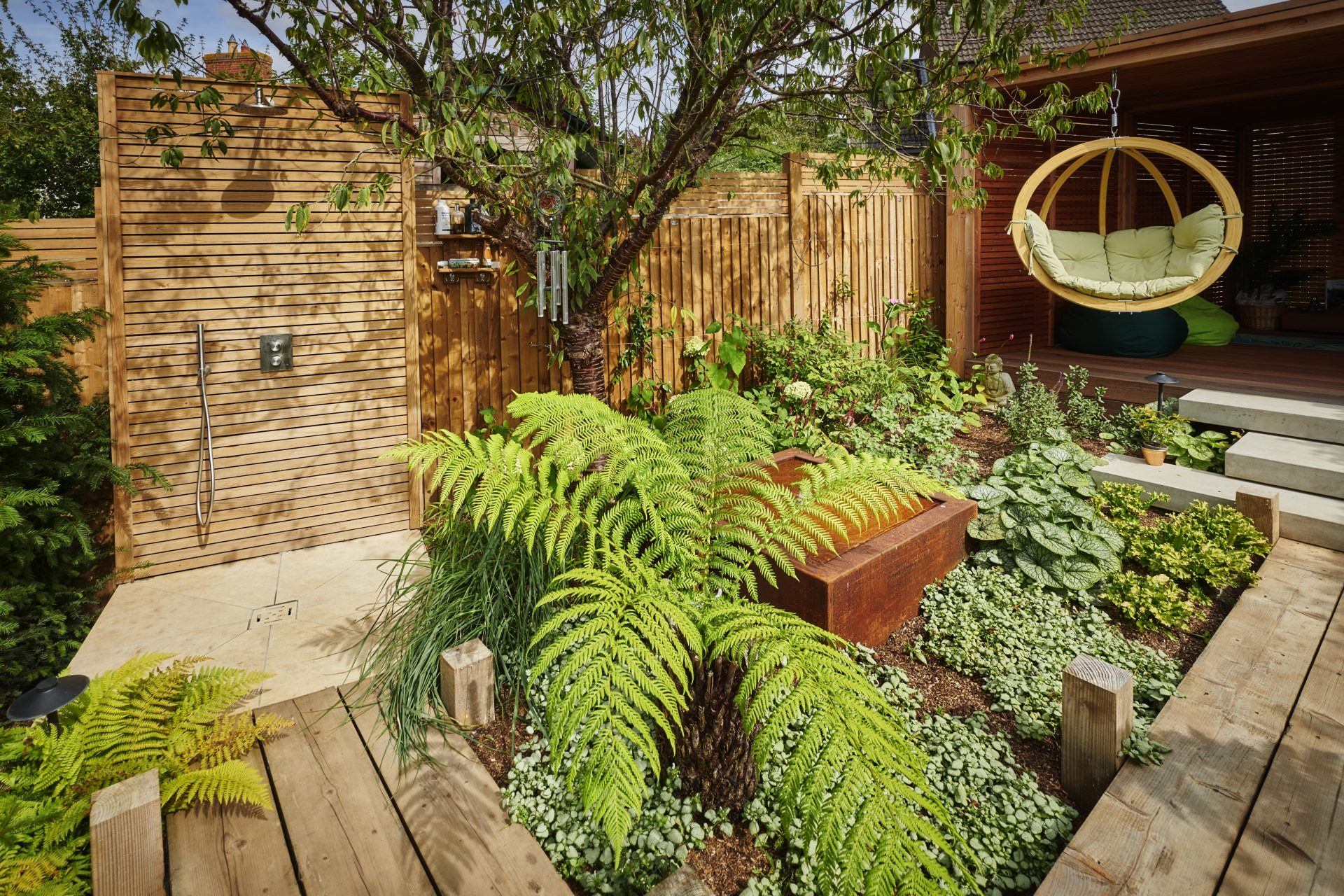
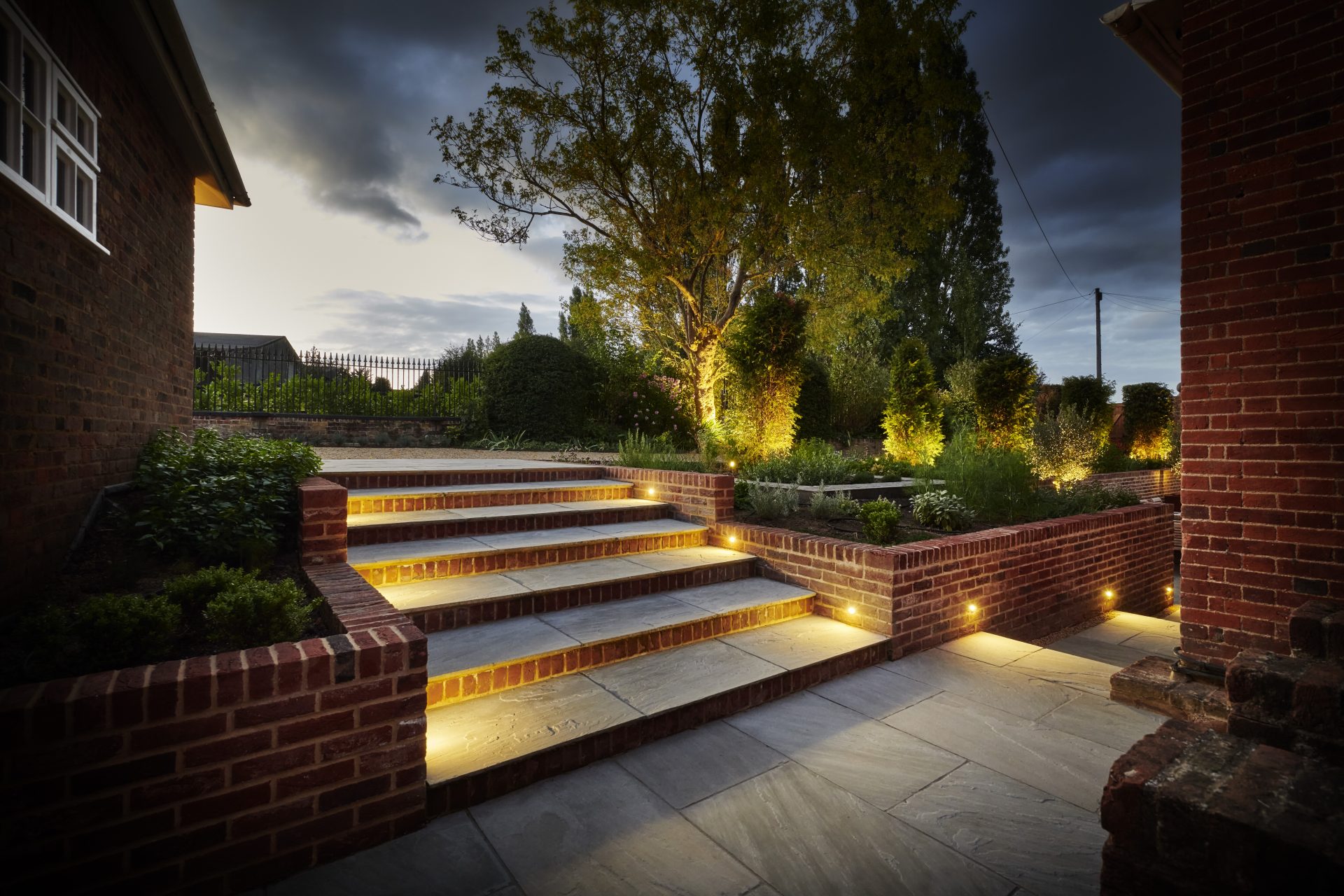
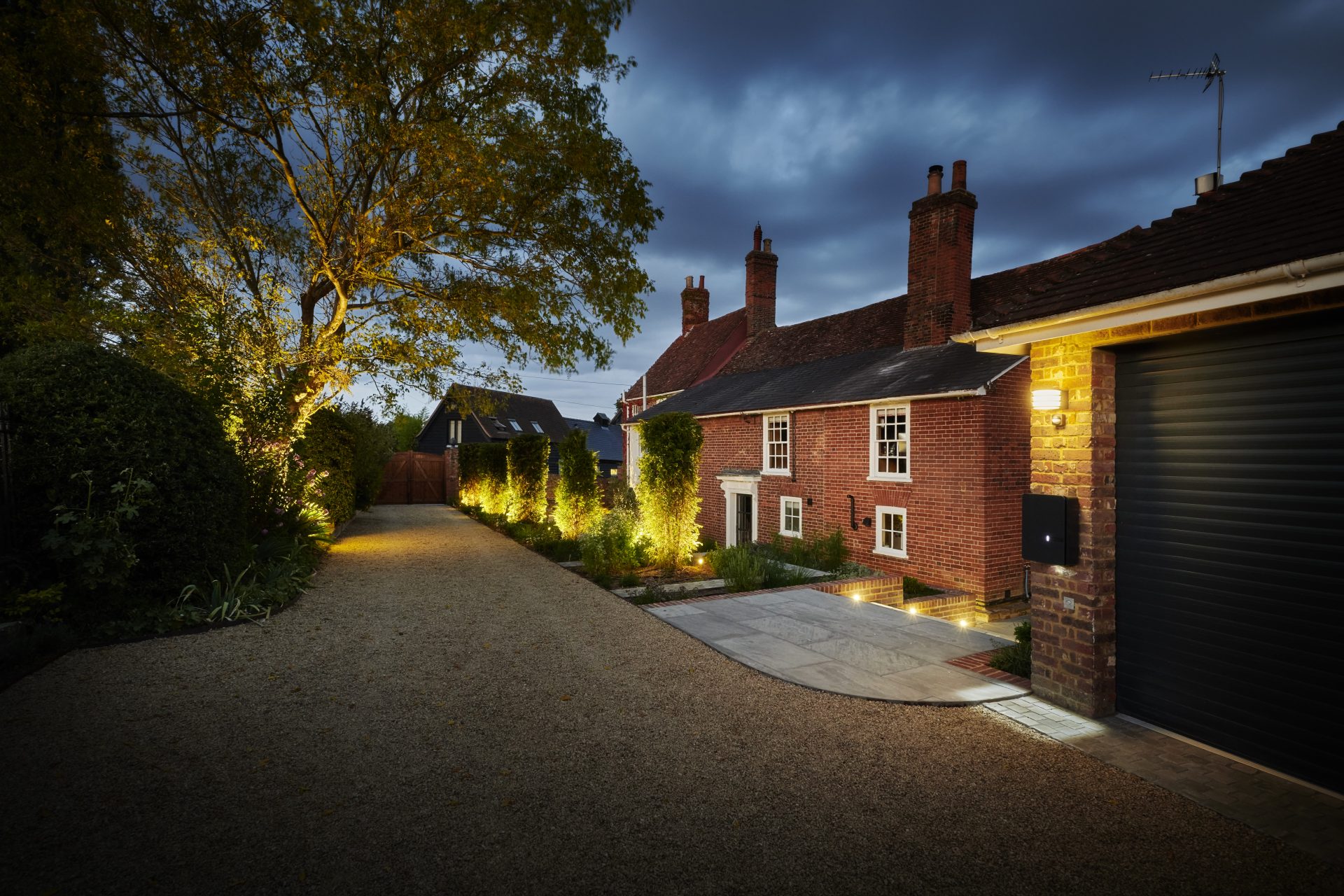
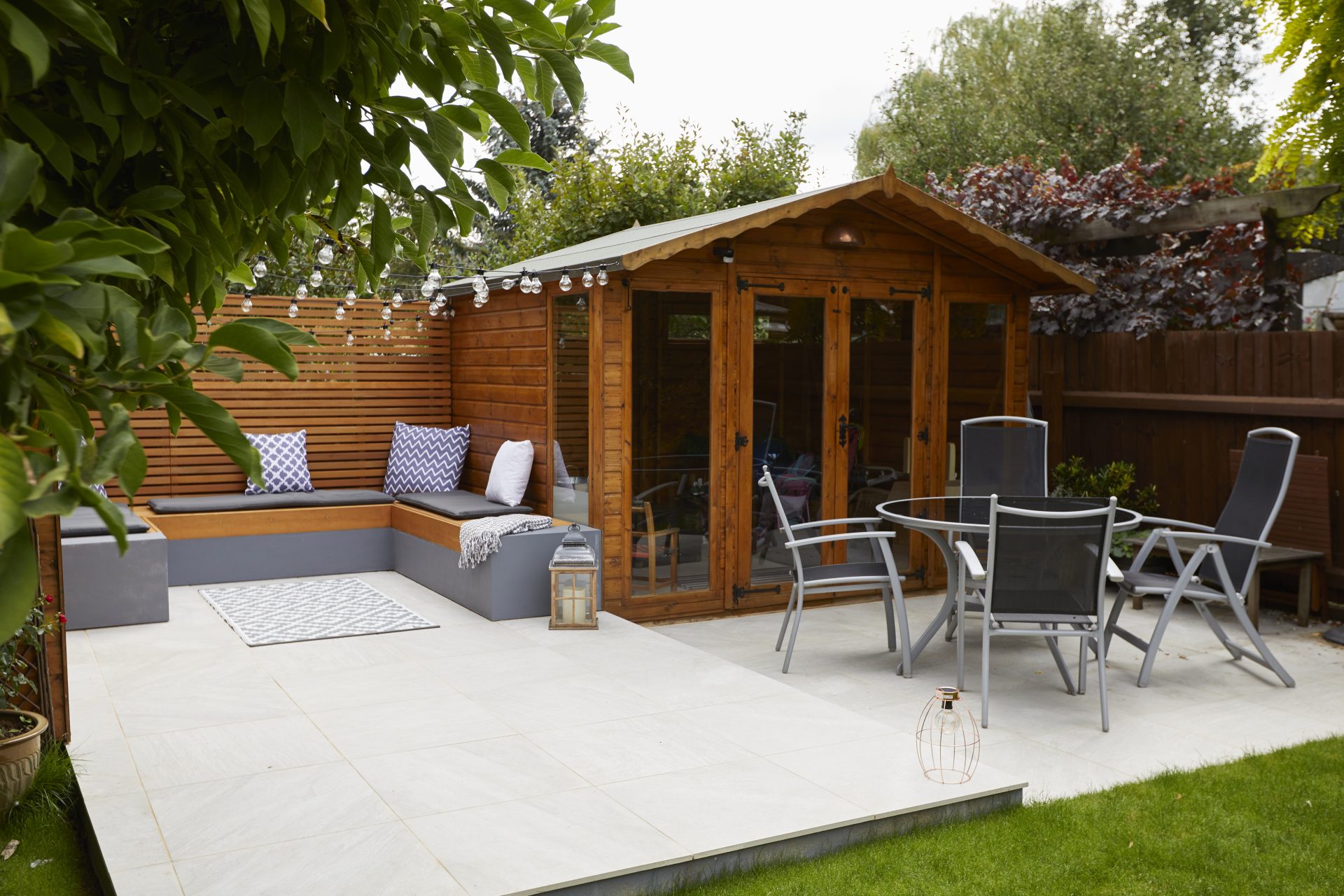
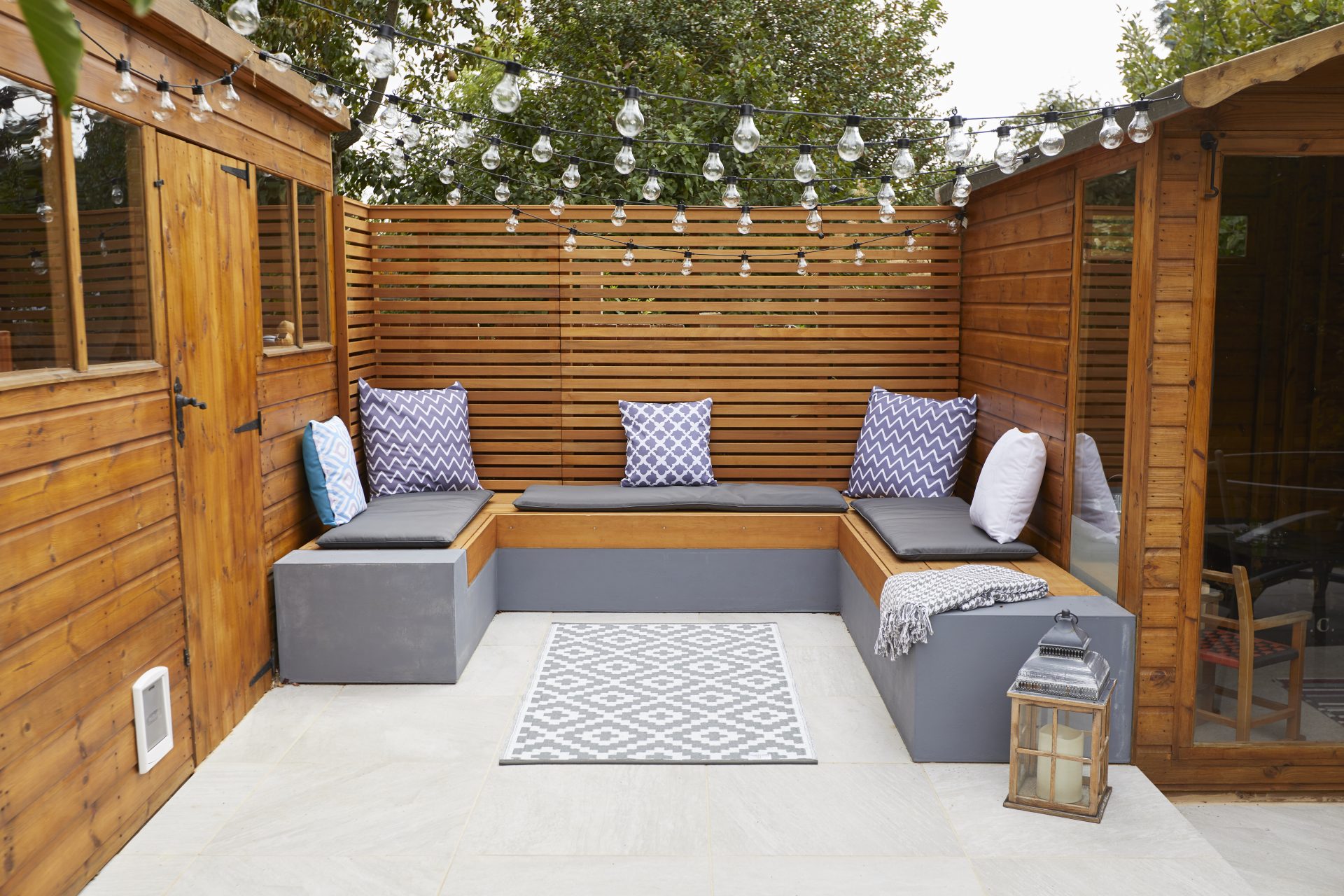
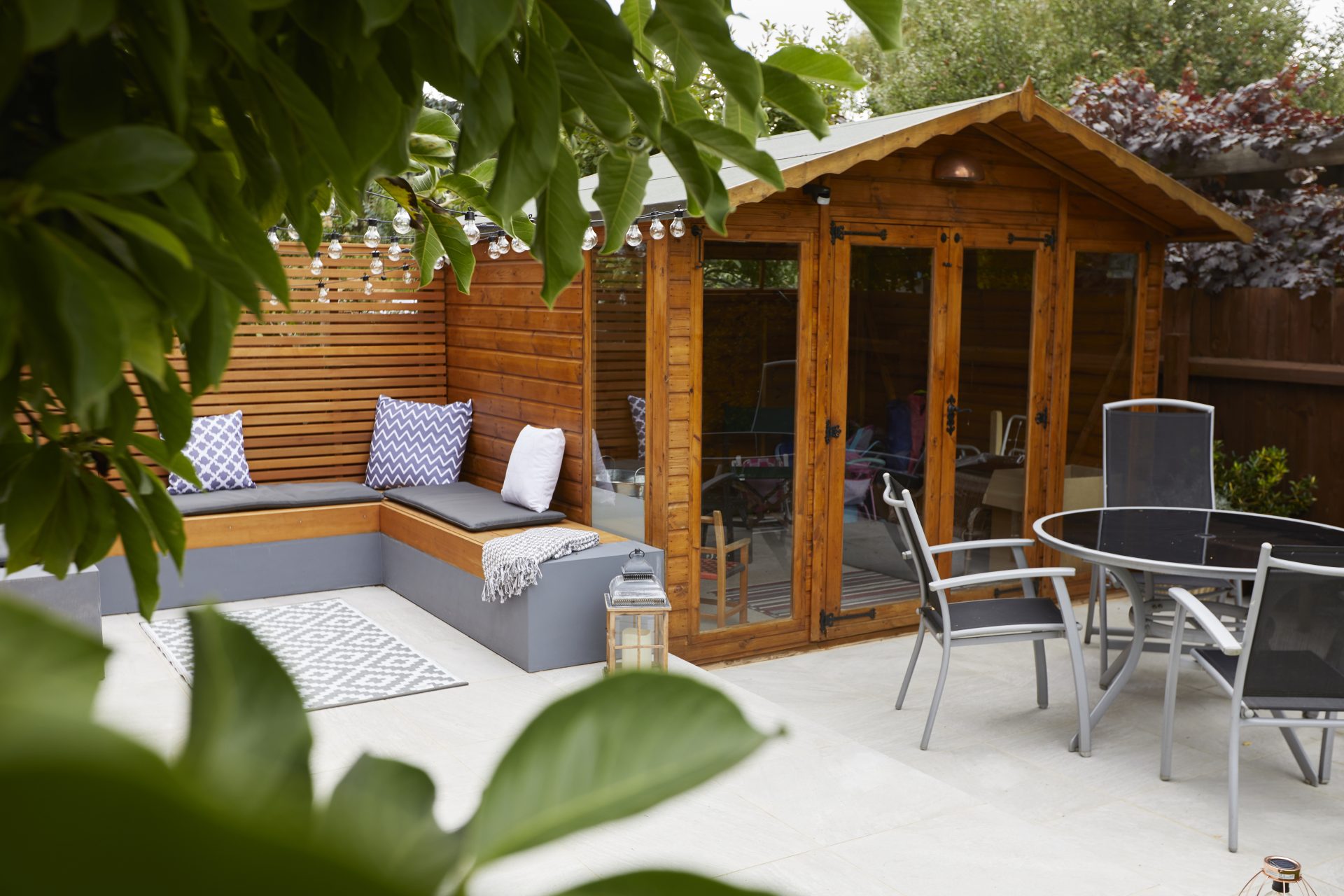
Garden patios, paving, paths, steps, terraces and side returns completed across Hertfordshire, Bedfordshire and Cambridgeshire.
Frequently Asked Questions
Practical answers about patio installation, garden paving, materials, drainage, steps, timings and how HDL works.
Call our team on 01462 658 442 or click the button below:
Yes. Patio installation usually refers to a defined seating or dining area. Garden paving can include paths, steps, side returns, paved links and utility surfaces. On the right project, both work together to make the garden easier to use.
The best patio material depends on the property, the way the space will be used, maintenance expectations and budget. Porcelain, natural stone, sandstone and block paving can all work well when specified for the right setting.
Yes. HDL can remove tired patios, paths and paving where access allows. The team will check the existing base, drainage, levels and surrounding surfaces before confirming the right scope of work.
Timing depends on the size of the area, access, preparation, drainage, level changes and material choice. A simple paved area may be completed quickly; a larger patio, terrace or stepped route will need more time.
Yes. Steps and thresholds can be included as part of patio and paving work. These details are important for safe access and for making the finished surface feel properly connected.
Yes. Side returns often need a practical, durable and easy-to-clean paved surface. HDL will assess access, drainage, levels and how the route is used before recommending the right material.
Look for patio installers who discuss more than the slabs. The right team should consider base preparation, drainage, falls, edge restraint, thresholds, material suitability and how the patio will be used day to day.
Ask how the surface will be prepared, how water will drain, how edges will be restrained and which material suits the area. A good paving contractor should explain the specification clearly before work begins.
Yes. HDL can help shape garden patio ideas into a practical layout, considering seating, dining, shade, views, thresholds, paths and the way the patio connects with the rest of the garden.